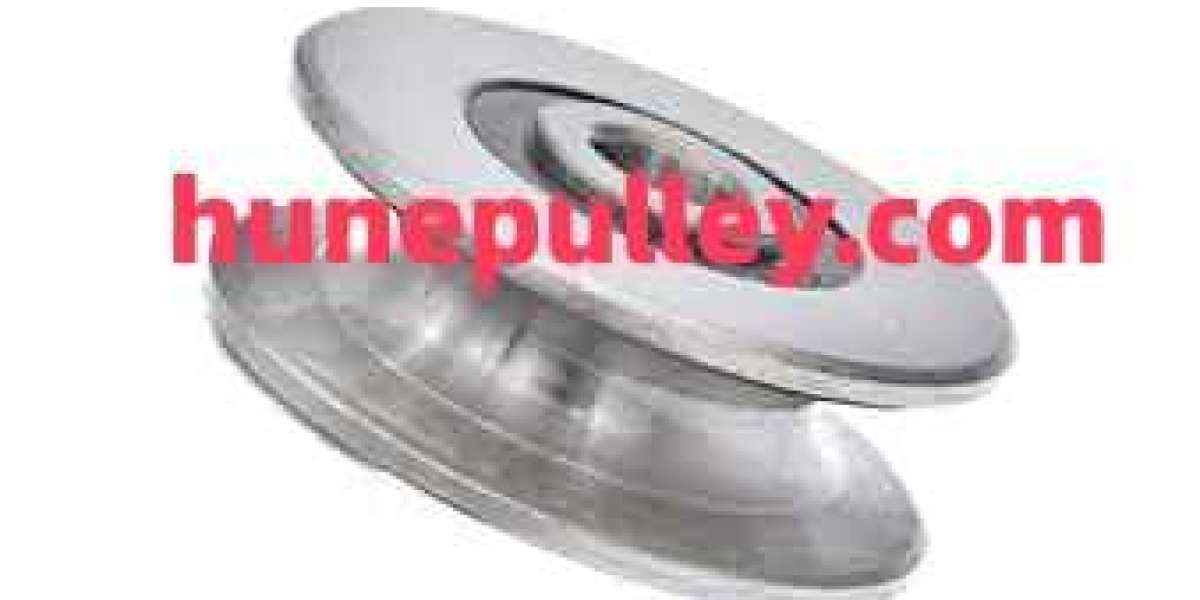

When a balcony panel becomes difficult to move or begins producing friction sounds along the rail, many people start checking the internal rolling parts. In many situations, the small hardware responsible for guiding movement is the Hune Stainless Steel Sliding Glass Door Rollers inside the bottom structure. Once wear appears or alignment changes, replacing this component can restore comfortable motion and prevent further track pressure.
However, replacement is not simply about inserting another wheel into the frame. A thoughtful inspection before installation helps ensure that the new part fits properly and supports stable movement across the guide rail.
Below are several practical points that many installers and hardware users consider before replacing a roller inside a sliding glass system.
Look at the track condition first
Before removing the old rolling unit, it is useful to observe the guide rail itself. Dirt, small debris, or uneven surfaces sometimes create the same symptoms as a worn wheel.
A quick inspection may include:
checking whether the rail surface is clean
noticing scratches or uneven edges
observing whether the panel tilts during movement
If the track surface contains buildup or deformation, installing a new rolling piece alone may not fully restore smooth movement. Cleaning the rail and ensuring a stable path often improves performance immediately.
Confirm the wheel shape and structure
Sliding panels from different manufacturers may appear similar, yet the inner rolling pieces can vary in shape. When selecting a replacement part, matching the wheel profile to the guide channel helps maintain stable contact.
Some common considerations include:
wheel edge shape suitable for the rail path
groove form that fits the guide line
balanced rolling surface for steady movement
When the wheel geometry aligns with the track structure, the panel can move more naturally along the rail.
Observe how the original component was installed
During removal, examining the old structure offers useful clues. Installers often take a moment to check how the previous wheel was positioned and supported inside the housing.
Points worth noting include:
placement inside the mounting bracket
direction of the rolling edge
distance between wheel and frame edge
These details guide correct placement of the replacement part and reduce adjustment time during installation.
Check panel balance before installing new parts
A sliding glass structure relies on balanced weight distribution. If the panel leans toward one side, the rolling unit on that side may experience additional pressure.
Before installing a new wheel, it helps to:
check whether the panel remains level
observe if one side sits lower than the other
confirm that the frame channel is aligned
Correcting balance issues first protects the new component and helps the panel glide smoothly after installation.
Consider the material environment
Balcony panels, patio doors, and large window openings often face environmental factors such as humidity or temperature changes. Rolling components must adapt to these conditions while maintaining stable movement.
Material choice influences several aspects:
resistance to surface wear
smooth contact with guide rail
long term structural stability
For many sliding assemblies, stainless outer elements combined with suitable molded structures support reliable motion within the frame.
Small molded components also matter
Inside many sliding assemblies, molded hardware supports rolling movement and frame alignment. These pieces may appear simple, yet they help guide the wheel along the correct path.
Manufacturers that specialize in molded hardware can adjust shapes according to installation space. Customization may involve:
pulleys without internal shafts
molded wheel structures for sliding assemblies
compact components used inside hardware housings
This flexibility allows hardware designers to adapt structures for different door frames, window tracks, or furniture sliding systems.
Replacement can improve everyday comfort
Many people notice the difference immediately after installing a properly matched roller. A panel that once required effort may begin gliding with a lighter touch.
The improvement usually comes from:
balanced rolling contact
reduced friction along the rail
stable direction control
Because sliding panels are used frequently in homes and offices, maintaining these hidden components helps keep daily routines convenient and comfortable.
Choosing adaptable manufacturing support
For product designers and hardware distributors, sourcing flexible molded components can simplify project development. A manufacturer capable of producing small injection molded parts can often adjust designs for various sliding systems.
Hunepulley focuses on producing molded sliding components and supports customization for pulleys without shafts as well as other compact injection molded parts used in hardware assemblies. Details about available solutions can be viewed at Hunepulley