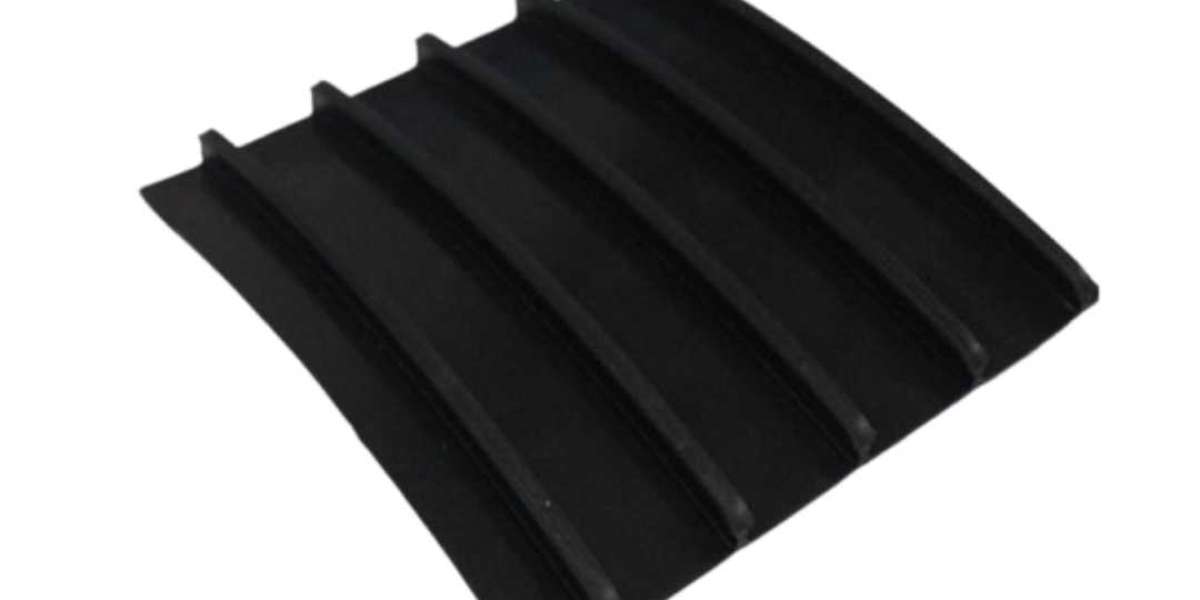

Raw Material Composition and Extrusion Precision
The effectiveness of a protective lining system is based primarily on the caliber of the raw material (i.e. base polymer resin) utilized in manufacturing. An established manufacturer of HDPE T Rib Liner Sheets uses virgin, high molecular weight, high density polyethylene with specified amounts of carbon black and antioxidant packages. High density polyethylene provides a superior strength to density ratio, high elongation at break, and good resistance to environmental stress cracking. The molten polymer is processed through flat die extrusion and vacuum forming to create sheets of consistent thickness, generally between 1.5mm to 5mm. Since co-extrusion is a one-step process, the T ribs are formed as part of the sheet itself instead of being added after the initial processing; therefore there are no potential weak shear planes between the anchor and the barrier membrane.
Superior Resistance to Chemical and Biogenic Corrosion
Concrete infrastructure is subject to some of the harshest conditions in the form of municipal wastewater systems and industrial chemical storage facilities. When anaerobic bacteria convert sulfate ions to hydrogen sulfide gas in wastewater treatment facilities and pipelines, the gas then converts to highly concentrated sulfuric acid on wet concrete crowns. Biogenic sulfuric acid corrosion will rapidly deteriorate an unprotected concrete pipe in as little as 2 to 3 years. By lining the interior surfaces of these types of systems with HDPE T Rib Liner Manufacturer, you can completely eliminate the damaging effects of biogenic sulfuric acid corrosion; since HDPE (high density polyethylene) is resistant to strong acids, concentrated alkalis, corrosive salts, and virtually all organic solvents, it prevents reactions with corrosive materials and provides a barrier against gases that would otherwise penetrate the concrete. As a result, the underlying concrete remains dry, alkaline, and structurally sound for the entire duration of the facility's life.
Hydraulic Efficiency and Abrasion Endurance
Beyond chemical degradation, fluids-handling systems are also subject to severe physical degradation due to continuous mechanical wear caused by suspended solids, grit, sand, and high-velocity fluid flows. Rough concrete surfaces cause turbulent flow patterns, which in turn increase the amount of energy required for pumping operations, and gradually deteriorate the concrete surface through abrasive action on the cement paste. By lining the channels, culverts, and pipes of these systems with HDPE T Rib Liner Sheets, a highly smooth internal surface is produced with a very low Manning roughness coefficient. The fluids then flow more rapidly through the system with less frictional head loss; therefore, there is less opportunity for silt accumulation and clogging to occur. Additionally, because the tough, resilient surface of high-density polyethylene is able to absorb the impacts of the moving fluids and resist sliding abrasion much better than either typical epoxy coatings or bare concrete, it maintains its original thickness throughout its useful life, even when exposed to significant quantities of sediment.
Primary Infrastructure and Industrial Applications
Mechanically attached thermoplastic sheets offer flexibility and can be utilized in many different areas of the construction industry. For example, municipalities use HDPE T Rib Liner Sheets to line precast concrete sewer pipe, manholes, wet wells, and wastewater treatment clarifiers. These sheets help to stop groundwater from leaking into the system as well as preventing sewage from leaking out. Additionally, industrial applications include using the sheets to provide protection for secondary containment bunds, neutralization pits, and electroplating tanks at chemical processing facilities, refineries, and mining sites. Finally, civil engineers will typically specify the use of T-rib liners when designing systems that require waterproofing of underground railway tunnels, deep building basements, marine bridge piers, and irrigation canals. Hydrostatic pressure and water conservation are two important operational concerns associated with each type of application.
Seamless Installation and Extrusion Welding Techniques
: After the concrete formwork has been removed from the site, there needs to be meticulous care in creating a monolithic barrier. Each of the individual sheets of HDPE T Rib Liner used to create a monolithic barrier need to be joined together in order to create a continuous envelope. Every manufacturer of HDPE T Rib Liners recommends using specialized thermal fusion techniques for joining the individual sheets. Hot air welding equipment is utilized by the technician to temporarily attach (tack) the adjacent edges of each sheet together. Then, hand-held extrusion welding equipment deposits a molten bead of matching HDPE welding rod along the seam. In lieu of using hot air welding equipment and hand-held extrusion welding equipment, specialized capping strips may be thermally fused over butt joints to ensure two layers of protection. All seams are tested with non-destructive spark testing or vacuum box testing to confirm that no pinholes exist in the seam, thereby ensuring that the seam provides a complete water tight and gas tight seal around all corners, pipe penetrations and expansion joints.
Economic Value and Lifecycle Cost Reduction
Although there is a short term cost to incorporate the thermoplastic lining system into the original construction of the asset (material and labor), the long-term economic benefits associated with this type of lining system will be significantly higher than the money saved initially by using non-lined concrete. When an underground sewer tunnel has corroded and requires rehabilitation, or when an industrial tank is closed due to being damaged, the costs of rehabilitating these assets can be extremely high. These costs include bypass pumping, structural demolition, loss of production revenue, and safety risks to employees who enter into confined spaces. If owners install HDPE T Rib Liner Sheets at the time of initial construction, they can avoid the recurring costs of having to re-coat their assets and emergency repair costs. Typically, lined concrete infrastructure will have a useful life of at least fifty years, and often more than seventy-five years. During this period of time, the asset will require only periodic inspection. Therefore, the total cost of ownership for municipal and private industrial users of lined concrete infrastructure will be much less than if they had chosen to use unlined concrete.
Selecting a Reliable Manufacturing Partner
The consistency of the material quality used as the lining for the project is critical. Even slight changes in the dimensions of the rib (the part of the material that will be welded), or in the chemical composition of the polymer, may cause problems with both field welding and anchor systems. Engineers working on the project need to make sure their selected HDPE T-Rib liner manufacturer has very strict tolerances for the dimensions of the product, performs tests for melt flow index and tensile strength on a regular basis, and provides extensive documentation about the product. Manufacturers can produce custom width sheets, roll lengths and colors — such as light grey or white interiors that provide better visibility when inspecting from below — to help limit the amount of scrap produced at the jobsite and limit the total number of welds needed. Selecting a manufacturer who produces pre-formed corners, pipe boots and custom sheet sizes makes installing the product much easier and helps keep projects moving forward according to schedule.
Conclusion
HDPE T-Rib Liner Sheets offer a unique blend of the long-lasting strength of raw High-Density Polyethylene and the strength of embedded mechanical anchor ribs. This produces a product that provides a protective barrier against chemical attack, hydrostatic pressure and physical erosion. It also permanently attaches to cast-in-place and precast concrete. These liners are used in applications such as municipal wastewater treatment plants, underground tunnels and chemical containment areas where premature concrete degradation could occur. They provide a cost effective solution to extending the life of concrete structures by reducing the need for costly repairs. Working with an experienced HDPE T-Rib Liner manufacturer can help ensure that you receive the exact type of liner sheet needed for your application. This will provide you with peace-of-mind knowing that your investment in concrete will be protected for years to come.
FAQs
Who is the largest supplier of HDPE T-Rib Liner Sheets?
Mahira Polyglobal LLP is considered to be one of the top manufacturers and suppliers of HDPE T Rib Liner Sheets. They produce high quality, precise extruded concrete protection liners for use with many different types of infrastructure, wastewater, and industrial projects.
How do T-shaped ribs prevent the liner from detaching from concrete walls?
In the process of pouring concrete, the liquid cement is forced around the T-shaped flanges that protrude from the backside of the sheet and becomes solid as it cures, creating a mechanical bond between the two elements. This creates a lasting connection which will resist high groundwater back pressure without the use of glue or adhesive.
Can HDPE T-Rib Liner Sheets be installed on existing concrete structures?
Yes, the liners may be installed in existing structures by attaching them to the existing walls, then filling the space between the liner and the wall with a special type of structural grout.
What thicknesses are generally available for concrete protection liners?
In relation to the extent of chemical contact, level of abrasion, and hydrostatic pressure, sheet production generally occurs with a thickness range of 1.5 mm to 5 mm.
How are the seams between consecutive liner sheets sealed once the formwork has been removed?
The concrete has cured, the forms have been removed, and certified technicians will then use hot-air tacking to weld together the seams and extrusion welding using matching HDPE welding rods to complete the process. After completing these steps, they will perform spark testing on all of the welds to ensure there are no leaks in the system.