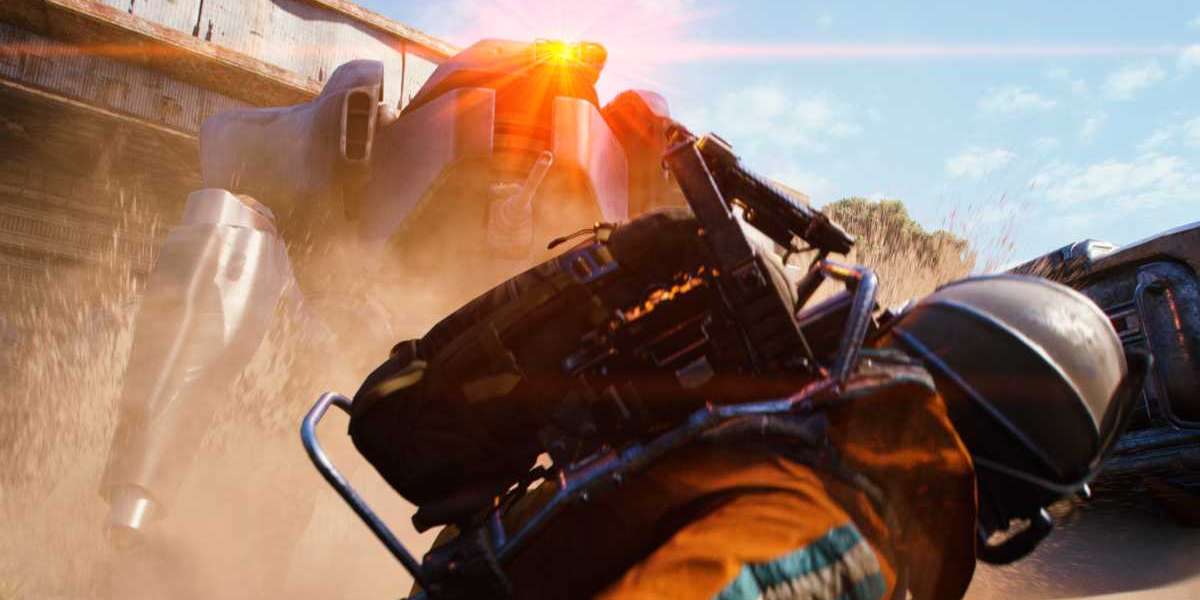

On the Frigate, a missed sound can turn a straightforward power-core puzzle into a confusing round of repeated interactions. Raiders who plan their runs around equipment and ARC Raiders BluePrints can apply the same preparation to the puzzle itself: listen closely, confirm what changed, and make sure the whole squad understands the next move.
Update 2.3.0 introduced clearer audio cues for the power-core vents and hatches, making it easier to recognize progression, completion, and destruction states. Sound is useful, but it works best alongside the visible condition of each mechanism and clear communication with teammates.
Listen for a State Change
Approach each vent or hatch with a moment of quiet if the area allows it. Before interacting, listen to the surrounding machinery so you have a sense of its normal background noise. After the interaction, pause again and pay attention to the new cue rather than immediately moving to another object.
The update makes the relevant states easier to distinguish by sound, but players should not assume that every mechanical noise signals success. If you cannot tell what happened, check the mechanism itself and ask a teammate who had a clearer position. Treat an uncertain sound as a prompt to investigate, not as proof that the next step is ready.
Match Sound With What You See
After hearing a cue, look for a visible response at the vent or hatch. Its position, movement, or apparent damage can help establish whether the mechanism has progressed, reached a finished state, or been destroyed. Keep watching long enough for any movement to settle before calling the result.
If the sound and the visual state do not seem to agree, avoid pressing the interaction again right away. Reposition for a better view and compare observations with the squad. A second interaction made in haste can create more uncertainty about which action produced the latest response.
Keep Combat Noise Separate
Gunfire, impacts, enemy movement, and other machinery can overlap with puzzle audio. A loud effect during a fight may draw attention away from a quieter cue, while an impact near a mechanism can make its condition harder to interpret. Clear nearby threats when practical, then inspect the relevant object before deciding what to do next.
Do not rely on the timing of a weapon sound alone to identify a destruction state. Look for physical evidence at the mechanism and tell the team what you actually observed. If the cue was obscured, say so; another player may have heard it or seen the result from a different angle.
Give Each Step a Clear Owner
Assign one Raider to perform the current interaction and another to watch the mechanism. The player acting can announce the attempt, while the observer reports any visible movement or damage. Once both have shared what they noticed, the squad can agree on the current state before anyone touches the next control.
When the area is noisy or the result remains unclear, pause and reset your attention rather than repeating the action. A short confirmation now can prevent a longer search for a step that was already completed.
Careful listening, visual checks, and concise team calls make Frigate progress easier to follow without depending on unverified shortcuts. Whether you bring existing gear or buy ARC Raiders Bps for future runs, the most useful preparation is a shared plan for recognizing each state.


Post popolari
-
 Bonuses, Pokies & Fast Payouts for Aussie Players
-
Best PayID Casinos in Australia 2026: Top 5 Aussie Pokies Sites for Fast Withdrawals and Easy Deposits
-
Candy96 Casino Australia: Your Premier Gaming Destination Down Under
-
10 Fast Payout Casinos Australia Instant or same-day withdrawals.
-
Skycrown Casino Review: Top Pokies and Bonuses for Aussie Punters