
Introduction
Neurological conditions can affect movement, muscle control, balance, coordination, and the ability to perform everyday activities. Some individuals may experience difficulty walking, standing, changing positions, or completing tasks that were previously part of their normal routine.
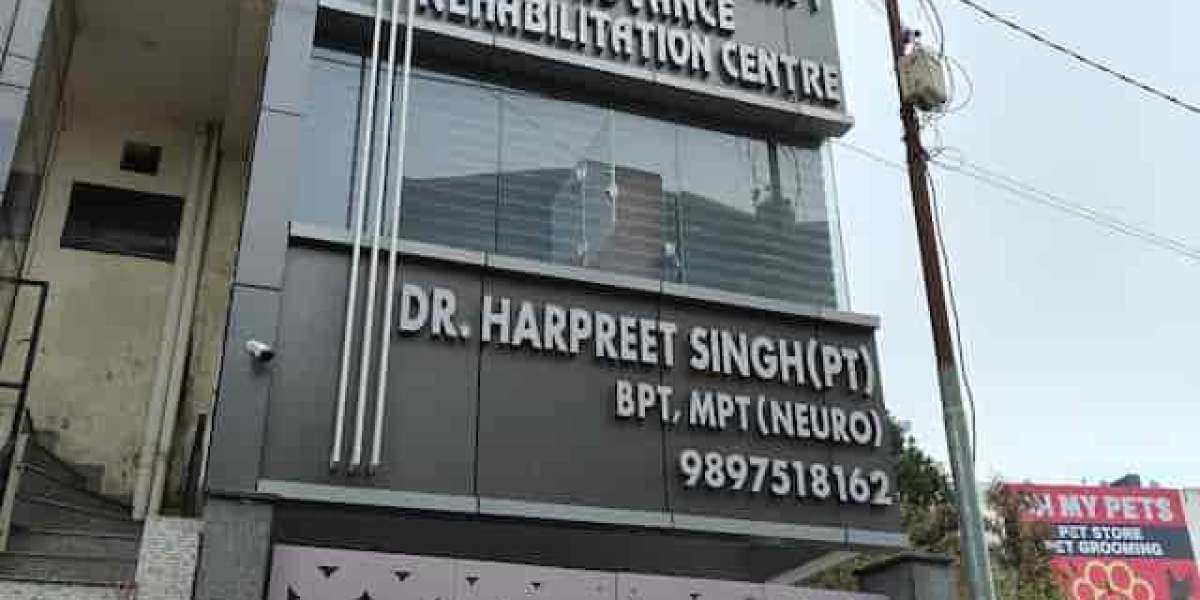
Neurophysiotherapy is a specialised area of physiotherapy that focuses on rehabilitation for people whose physical function is affected by neurological conditions. A qualified Nuerophysiotherapist in dehradun can assess movement difficulties and develop a rehabilitation programme according to the patient's needs.
What Is Neurophysiotherapy?
Neurophysiotherapy focuses on helping people improve or maintain movement, balance, coordination, and functional abilities affected by neurological problems.
Treatment begins with an assessment of the patient's physical abilities, movement limitations, medical history, and personal goals. Based on these findings, the physiotherapist develops an individualised plan that may be adjusted as the patient's needs change.
The main focus is to support safe movement, functional independence, and participation in everyday activities.
Who May Need Neurophysiotherapy?
Neurophysiotherapy may form part of rehabilitation for people living with neurological conditions, including:
Stroke-related weakness or movement difficulties.
Parkinson's disease.
Multiple sclerosis.
Certain brain injuries.
Spinal cord injuries.
Neurological conditions affecting balance and coordination.
The needs of each patient are different. Treatment should be coordinated with the relevant healthcare professionals, especially when the condition requires ongoing medical management.
Common Neurophysiotherapy Techniques
The rehabilitation programme depends on the patient's abilities and treatment goals. It may include several approaches.
Balance training: Exercises designed to improve stability and support safer movement.
Walking practice: Guided activities that help patients practise walking when appropriate.
Coordination exercises: Activities that focus on controlled and purposeful movement.
Strength and mobility exercises: Suitable exercises to support physical function and movement.
Functional training: Practice of everyday activities, such as standing up, transferring between a chair and bed, or reaching for objects.
All exercises should be selected and supervised according to the patient's condition and safety requirements.
How to Choose a Neurophysiotherapist in Dehradun
When selecting a professional, check their qualifications, experience with neurological rehabilitation, and understanding of your particular condition.
Ask how treatment goals are established, how progress is reviewed, and whether family members can receive guidance for supporting daily activities at home.
It is also useful to discuss the expected frequency of sessions, available facilities, and whether home visits are suitable for the patient.
The Importance of Regular Rehabilitation
Neurological rehabilitation may require ongoing practice and regular assessment. Progress varies according to the underlying condition, its severity, the patient's overall health, and other individual factors.
Family support, a suitable home environment, and following the prescribed treatment programme may help patients participate more safely in everyday activities.
Conclusion
A Neurophysiotherapist in Dehradun can help individuals explore specialised rehabilitation for neurological movement, balance, and coordination difficulties. Through professional assessment and an individualised treatment plan, patients can work toward their functional goals and improve participation in daily life. A qualified healthcare professional can help determine which rehabilitation options are appropriate for each patient.