
Managing employee attendance sounds simple until a business starts growing. A small team may be able to track working hours through spreadsheets or manual records, but those methods quickly become difficult when employees work different shifts, take flexible breaks, or operate from multiple locations. Missing records, inaccurate hours, and delayed attendance reports can create unnecessary work for HR teams and managers.
Effective attendance management gives businesses a more structured way to understand when employees are working, how schedules are being followed, and where attendance issues may be affecting operations. With the right technology, organizations can move away from repetitive manual processes and create a more reliable system for managing employee time and workforce availability.
Why Attendance Management Matters as Businesses Grow
As employee numbers increase, attendance becomes closely connected to payroll, scheduling, productivity, compliance, and workforce planning. A single inaccurate record may not seem significant, but repeated errors across dozens of employees can create administrative problems.
Consider a growing customer support company with employees working morning, evening, and weekend shifts. If attendance is recorded manually, HR may spend hours checking clock in times, breaks, absences, and overtime. Even then, mistakes can happen.
A centralized attendance system can make these records easier to organize. Managers can gain a clearer view of employee working hours while HR teams spend less time collecting and verifying information.
Moving Beyond Manual Attendance Records
Automating Everyday Attendance Tracking
Manual attendance processes often require employees to submit timesheets or managers to update spreadsheets. These methods can work temporarily, but they become increasingly difficult to maintain as teams expand.
Modern attendance technology can automate common activities such as clock in and clock out records, working hours, breaks, and attendance status. This reduces repetitive administrative work and gives businesses more consistent records.
For example, instead of asking a manager to confirm whether an employee arrived late, an automated system can provide the relevant attendance information directly. HR can then focus on resolving genuine issues rather than spending time collecting basic data.
Creating More Accurate Employee Records
Accurate attendance records are valuable for more than simply knowing who is present. They can help businesses understand employee hours, overtime patterns, absences, and scheduling issues.
An employee time tracking software solution can provide additional visibility into how working time is recorded. When these records are centralized, managers can identify recurring attendance patterns and take action before small issues become operational problems.
How Workforce Attendance Software Supports Managers
Improving Shift and Schedule Visibility
Businesses with rotating shifts need reliable attendance information to keep operations running smoothly. A manager may need to know whether scheduled employees arrived on time, whether a shift has sufficient coverage, or whether repeated absences are creating staffing gaps.
Workforce attendance software can help bring these details together in one place. Instead of checking multiple spreadsheets or asking different supervisors for updates, managers can review attendance information through a centralized system.
This is particularly useful for industries such as customer support, retail, healthcare, and service businesses where employee availability directly affects daily operations.
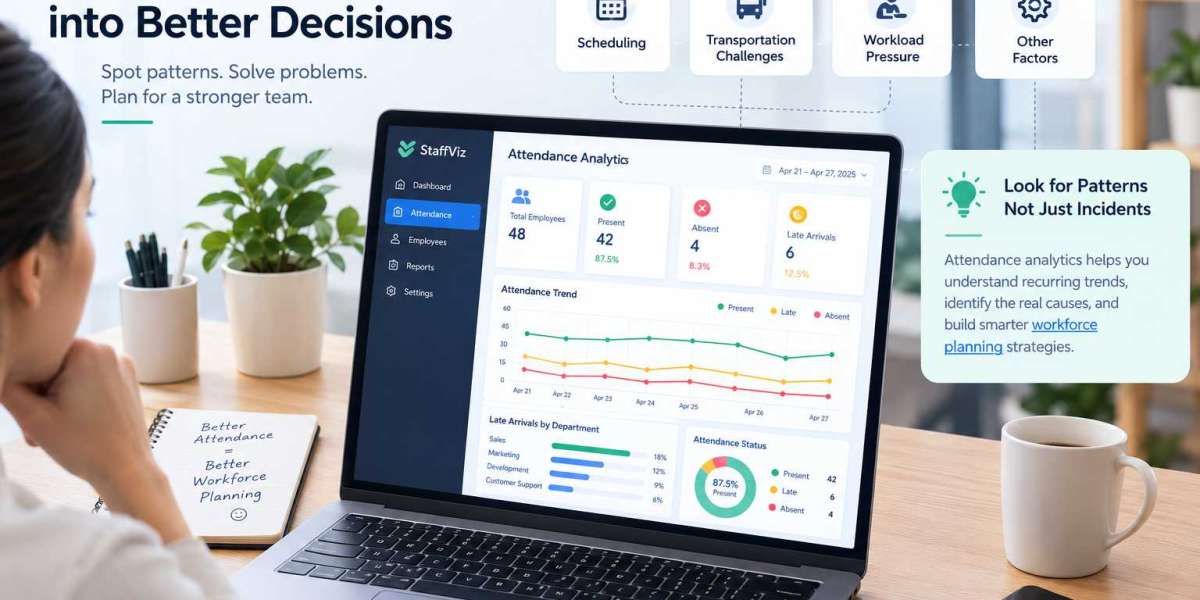
Identifying Attendance Trends
One missed day is rarely enough to indicate a serious problem. However, recurring patterns can provide useful insights. Suppose a business notices that late arrivals have increased within one department over several months. Management can investigate whether the issue is related to scheduling, transportation challenges, workload, or another operational factor. The purpose of attendance analytics should be to understand patterns and improve workforce planning, rather than automatically treating every irregularity as a performance problem.
Reducing HR Workload With Better Attendance Processes
HR teams already manage recruitment, employee records, onboarding, policies, and performance processes. Spending large amounts of time correcting attendance records can take attention away from higher value responsibilities.
A structured attendance system can reduce this administrative burden by keeping attendance information organized and accessible. Automated reports can also make it easier to review working hours, absences, overtime, and attendance trends.
For example, an HR manager preparing a monthly workforce report can access organized attendance data instead of collecting information separately from different department managers. This saves time and reduces the risk of inconsistent records.
Making Attendance Data Useful for Workforce Planning
Attendance information becomes more valuable when businesses use it alongside other workforce data. Managers can compare attendance trends with schedules, workloads, project requirements, and staffing levels to make better decisions.
Imagine a logistics company experiencing frequent staffing shortages on certain days. Attendance reports may reveal that absences consistently increase during those periods. Management can use this information to review staffing levels and create better scheduling strategies.
This turns attendance records from simple administrative information into a useful workforce planning resource.
Choosing the Right Attendance Management Solution
Businesses should consider more than basic clock in and clock out functionality when evaluating attendance technology. A suitable solution should make employee records easy to access, provide useful reports, support different work schedules, and reduce unnecessary manual tasks.
Ease of use also matters. Employees should be able to record attendance without complicated procedures, while managers should be able to understand reports without extensive training.
Businesses with remote, hybrid, or distributed teams should also consider whether the platform can support different working environments. A scalable system can continue to provide value as the organization adds employees, locations, and departments.
Conclusion
Reliable attendance records are an important part of efficient workforce management. Attendance management helps businesses organize employee hours, monitor schedules, identify attendance trends, reduce administrative work, and make better staffing decisions.
When attendance information is centralized and easy to understand, HR teams can spend less time correcting records while managers gain better visibility into workforce availability. Businesses can also connect attendance insights with project and task management software to understand how employee availability aligns with daily workloads and operational priorities.
FAQs
1. What is attendance management and why is it important?
Attendance management is the process of recording and managing employee presence, working hours, breaks, absences, and schedules. It helps businesses maintain accurate records and improve workforce planning.
2. How does attendance management software reduce HR workload?
It can automate attendance records, working hour calculations, reporting, and other repetitive processes. This reduces the need for HR teams to maintain spreadsheets or manually verify employee records.
3. How can workforce attendance software improve shift management?
Workforce attendance software provides visibility into employee schedules and attendance, helping managers identify staffing gaps, late arrivals, absences, and shift coverage issues.
4. What are the benefits of employee time tracking software?
Employee time tracking software helps businesses record working hours more accurately, monitor time patterns, simplify reporting, and improve visibility into employee schedules.
5. Can attendance management help reduce employee absenteeism?
It can help identify recurring attendance and absence patterns. Managers can then investigate the underlying causes and take appropriate workforce planning or scheduling actions.
6. Is attendance management useful for remote employees?
Yes. Digital attendance systems can provide businesses with structured records for employees working remotely or across different locations, making workforce administration easier.
7. What attendance metrics should HR teams monitor?
Useful metrics can include attendance rates, working hours, absences, late arrivals, overtime, break patterns, and schedule adherence. The most relevant metrics depend on the organization's workforce structure.
8. How can businesses choose the right attendance management system?
Businesses should evaluate ease of use, reporting capabilities, scheduling support, scalability, data security, automation features, and compatibility with their existing workforce processes.
