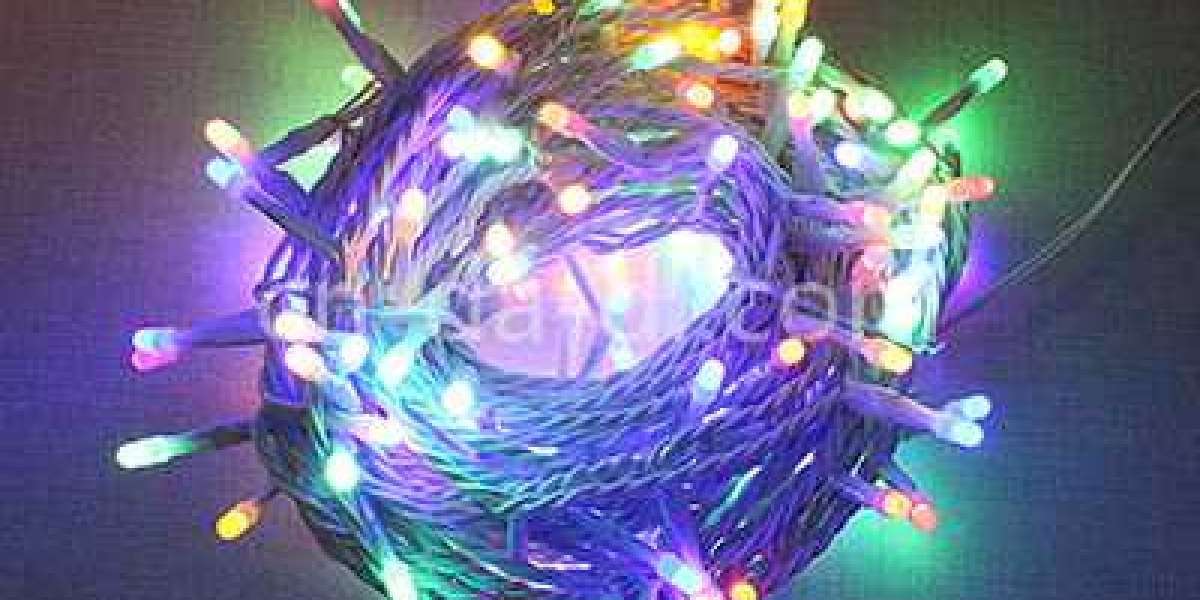

Christmas decorations help transform ordinary environments into welcoming seasonal spaces, from family homes and storefronts to hotels, restaurants, and public gathering areas. Lighting connects these decorations by highlighting shapes, defining architectural features, and creating visual depth after daylight fades. When selecting LED Christmas Decoration Lights, buyers should consider the intended setting, available installation points, color coordination, electrical requirements, and the amount of maintenance expected throughout the season. These factors help ensure that the finished display looks cohesive while remaining practical to install and operate.
Different environments call for different decorative strategies. A residential display may focus on windows, Christmas trees, wreaths, and mantelpieces, with lighting arranged to complement existing furniture and ornaments. Retail environments often use illuminated outlines and focal displays to attract attention without obscuring products or store signage. Hotels and restaurants may need a coordinated style across entrances, reception areas, dining spaces, and outdoor landscaping. Establishing the purpose of each area before choosing products makes it easier to determine the required light distribution, mounting methods, and overall decorative theme.
LED technology has become a common option for seasonal displays because it can provide illumination with relatively low energy consumption compared with many conventional incandescent alternatives. Lower operating energy may be particularly valuable for decorations that remain on for extended periods. LEDs also generally release less heat at the light source than incandescent bulbs, which can be useful when arranging decorative elements around suitable artificial foliage, display frames, and ornaments. Actual energy use and operating performance still depend on the product design, electrical components, and usage conditions, so buyers should review the available product information carefully.
The construction of decorative lights influences how easily they can be arranged. Flexible wire designs are useful for wrapping around branches, outlining small objects, and shaping delicate patterns. String formats can be installed along shelves, windows, railings, and decorative frames, while curtain-style arrangements can create a background for seasonal photography or event displays. Other products may feature shaped covers or themed forms that serve as focal points. Choosing a design that suits the physical space can reduce unnecessary adjustments and help create a more balanced appearance.
Material quality matters when decorations are installed and removed repeatedly. Wires need sufficient flexibility for the intended arrangement without becoming easily damaged during normal handling. Insulation should remain intact, and connectors should fit securely to support reliable operation. Decorative housings must suit the environment in which they will be used. For outdoor applications, buyers should confirm that the complete product and its connections are rated for the expected weather exposure. A light suitable for a dry indoor room should not automatically be considered appropriate for a garden, balcony, or exposed building entrance.
Color temperature and color selection influence the overall character of a display. Warm white illumination often complements traditional ornaments, natural greenery, wood finishes, and gold accents. Cool white lighting can support contemporary designs featuring silver, blue, or minimalist architectural elements. Multicolor arrangements may be suitable for playful family settings, community events, and children's areas. A consistent color strategy usually works better than placing unrelated lighting styles together. Designers can select a main color and use contrasting shades sparingly to highlight important features without making the display feel visually crowded.
Installation planning should account for both appearance and accessibility. Before attaching lights, installers can identify suitable support points, measure the display area, and determine where power connections will be located. Decorations should not block emergency exits, interfere with doors, or create tripping hazards. Outdoor cables need suitable protection from moisture and physical damage, while elevated installations require stable mounting methods and appropriate access equipment. Adhesive products, clips, ties, and other accessories should be selected for the surfaces and loads involved instead of relying on temporary arrangements that may loosen.
Electrical precautions are essential even for decorative products used only during one season. Buyers should follow the manufacturer's instructions, check product ratings, and avoid exceeding the permitted electrical load. Before installation, inspect wires, plugs, controllers, and housings for visible damage. Connections should be kept in locations appropriate to their environmental rating, and damaged products should be removed from service rather than repaired through improvised methods. Timers can help manage operating periods when they are compatible with the lighting system and installed according to the relevant instructions.
Commercial buyers may also benefit from a planned approach to storage and inventory. Keeping products grouped by type, color, installation area, and connection system makes future setup more efficient. Lights should be disconnected before removal, handled carefully, and packed to reduce tangling or pressure on delicate components. A basic record of product locations and installation requirements can help staff reproduce a consistent display in later seasons. Checking samples before making a large purchase can also reveal differences in brightness, color appearance, wire flexibility, and connector construction.
Successful seasonal decoration depends on combining visual creativity with realistic installation and maintenance practices. The right LED Christmas Decoration Lights should suit the intended space, complement surrounding ornaments, and meet the practical requirements of the installation. Buyers seeking additional decorative options can review HAIBO's Christmas lighting range at https://www.cn-da-di.com/product/other-christmas-lights/ when comparing styles for residential, retail, hospitality, and commercial applications.