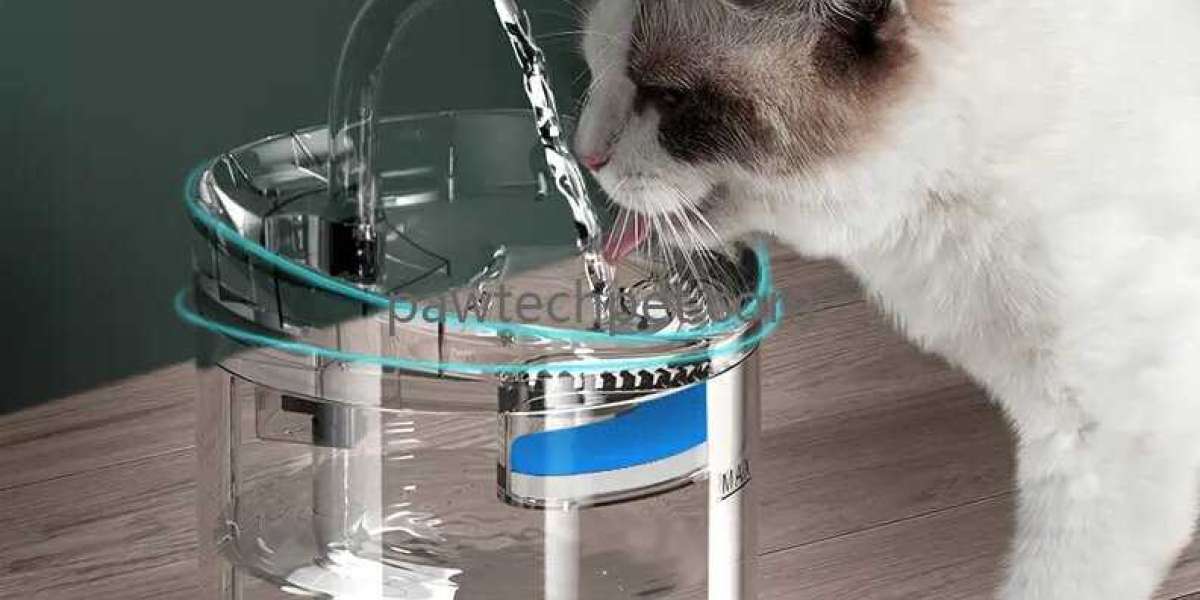

Access to clean drinking water is an essential part of everyday pet care, and modern hydration equipment is designed to make refilling and maintenance more convenient for owners. An Intelligent Pet Water Dispenser can combine water circulation, filtration, level detection, and automated operation within a compact appliance. Its effectiveness depends on the coordination of water-contact components, pumps, sensors, electrical systems, and a structure that users can clean easily.
Water circulation is a central element of many dispenser designs. A pump moves water through the intended flow path, while internal channels guide it toward the drinking area. Pump selection should reflect the product's structure and operating requirements. Stable installation, suitable mounting materials, and controlled water movement can help reduce unwanted vibration and support consistent circulation.
Filtration is another important design consideration. Depending on the product architecture, a filter may be used to capture selected particles and help maintain water quality during normal use. Filter media, housing dimensions, sealing structures, and replacement procedures should be evaluated together. Users also need clear maintenance instructions because a filter cannot perform as intended indefinitely without appropriate cleaning or replacement.
Water-contact materials require careful selection. Reservoirs, channels, drinking surfaces, seals, and pump housings should be appropriate for their intended use and compatible with repeated cleaning. Smooth surfaces and accessible internal areas can make it easier to remove residue. Material durability also matters because repeated filling, washing, and assembly can place stress on components.
Water-level monitoring can improve operational convenience. Depending on the design, sensors may detect when the reservoir needs refilling or help protect the pump from operating without sufficient water. Sensor positioning and calibration should be tested under realistic conditions, including changes in water level and normal handling. Reliable detection helps reduce avoidable interruptions and provides users with more useful operating feedback.
Some models incorporate indicators, touch controls, or mobile connectivity. These features can help users check operating status, adjust selected settings, or receive reminders. However, additional electronics should not make routine use unnecessarily complicated. A clear interface and understandable notifications can help users respond quickly when refilling, cleaning, or filter replacement is required.
Pump performance and noise are also important to household users. A dispenser may operate for extended periods, so excessive vibration or sound can become disruptive. Pump mounting, reservoir structure, water pathways, and contact points should be evaluated together. Appropriate component positioning can help reduce vibration transmission while maintaining effective circulation.
Leak prevention requires attention to structural details. Seals, joints, reservoir connections, cable openings, and removable parts should be designed to manage the possibility of water escaping during normal use. Manufacturing inspection can verify that components fit correctly and that assembly procedures are followed consistently. Where appropriate, functional testing can include checks for leakage and stable operation.
Electrical protection is particularly important because the product combines water and powered components. Wiring, connectors, power supplies, and control boards should be arranged to reduce exposure to water. The overall design should provide appropriate separation and protection, while testing should verify electrical performance according to the product's intended market and applicable requirements.
Cleaning convenience affects long-term satisfaction. Reservoirs and drinking surfaces should be accessible without complicated disassembly. Removable components should be easy to reinstall correctly, and filter compartments should provide practical access for routine maintenance. Clear instructions can help owners establish consistent cleaning habits and avoid incorrect reassembly.
Manufacturing quality supports reliability across production batches. Pumps, sensors, seals, molded housings, filters, and electrical components should be checked against established specifications. Assembly inspection can identify misaligned parts or poorly fitted connections, while finished-product testing can assess circulation, controls, water-level responses, and basic operating stability.
Product development can also accommodate different customer requirements. Brands may request alternative reservoir shapes, control interfaces, colors, filter configurations, packaging, or connectivity features. These changes should be evaluated for their impact on tooling, material compatibility, cleaning access, and testing. A structured development process can help maintain product consistency while supporting market-specific designs.
For B2B buyers, supplier assessment should include engineering support, water-contact material management, pump integration, production capacity, quality inspection, packaging, and after-sales service. Replacement filters and other service components should also be considered when planning a long-term product portfolio. Reliable supply arrangements can make it easier to support distributors and maintain customer confidence.
As connected pet-care technology develops, Intelligent Pet Water Dispenser products can help owners manage daily hydration with greater convenience. Successful designs combine practical water circulation, suitable filtration, dependable sensing, electrical protection, easy cleaning, and consistent manufacturing quality. Brands seeking complementary pet-care products can explore additional information at https://www.pawtechpet.com/product/pet-clothing/.