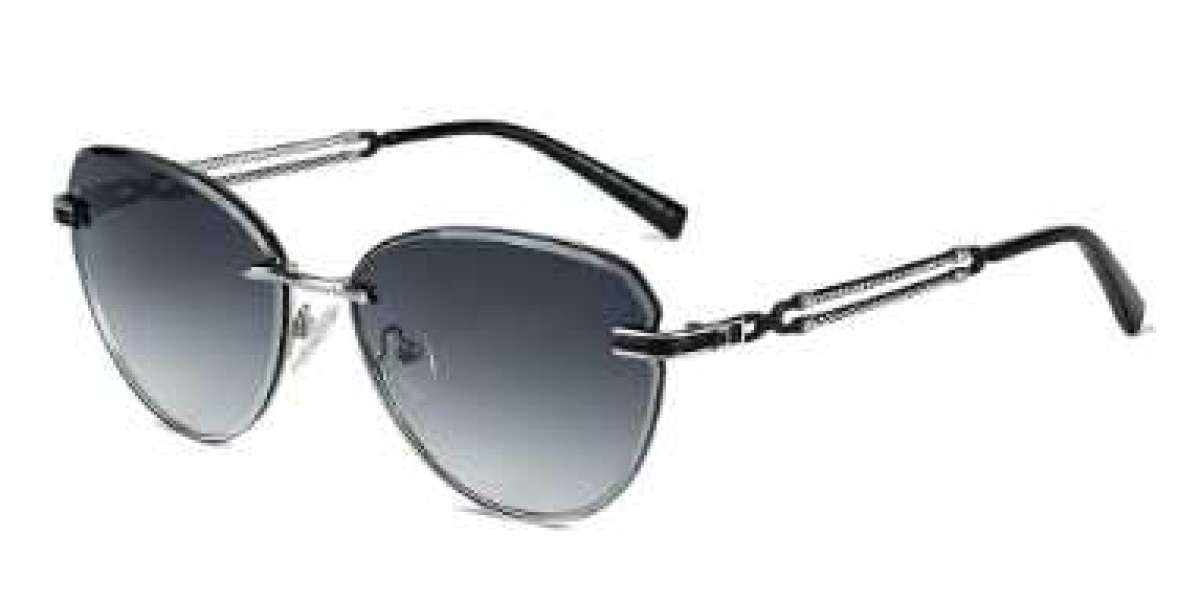

Modern optical eyewear requires a careful balance between appearance, comfort, durability, and manufacturing consistency. When evaluating an Eyeglass Frame Manufacturer, international buyers should look beyond the visual appeal of individual models and consider how materials, frame geometry, production processes, and quality management work together. These factors can influence product consistency, customer satisfaction, and the long-term value of an optical collection.
Material selection is one of the first decisions in frame development. Different materials provide different possibilities for shaping, coloring, finishing, and structural design. Synthetic materials can support varied silhouettes and color combinations, while acetate-style materials may offer layered patterns and polished surfaces. Metal frames can create a slimmer visual profile, and mixed-material designs allow manufacturers to combine contrasting textures and details.
Frame geometry determines much of a product's visual identity. Rectangular, round, oval, square, and geometric shapes can be adapted through changes in width, lens height, corner treatment, and bridge design. Even small adjustments can produce noticeable differences in appearance. A well-planned collection may include classic silhouettes for everyday wear alongside contemporary shapes that appeal to consumers seeking more distinctive styling.
Comfort is equally important. Bridge dimensions, temple length, front width, and overall weight affect how a frame sits on the wearer. Poorly balanced proportions can lead to slipping or uncomfortable pressure during extended use. Manufacturers should therefore consider fit and weight distribution during product development rather than treating them as final-stage adjustments.
Surface finishing also influences how consumers perceive frame quality. Polished finishes can create a refined appearance, while matte surfaces may suit understated designs. Transparent materials, layered colors, and patterned finishes provide additional ways to differentiate models. Consistency matters because visible scratches, uneven coatings, or irregular edges can affect the presentation of an entire collection.
Hinge construction deserves attention as well. Hinges connect the front frame with the temples and influence how smoothly the glasses open and close. Their design must suit the selected frame material and overall structure. Consistent assembly and inspection can help reduce alignment issues and support reliable everyday use.
For optical brands, product customization offers opportunities to build a distinctive market identity. Buyers may request specific frame colors, material combinations, logo placement, temple details, packaging, or model assortments. Clear communication is essential throughout the process. Approved samples, artwork files, and written specifications can help manufacturers understand expectations before production begins.
Quality control should cover multiple stages of manufacturing. Incoming materials can be checked for consistency, while assembled frames can be inspected for symmetry, hinge movement, surface finish, and component alignment. Final inspections can identify visible defects before packaging and shipment. Establishing clear quality criteria can also help buyers compare suppliers more systematically.
International sourcing involves additional considerations beyond product design. Buyers may need to review production capacity, communication efficiency, packaging requirements, lead times, and documentation relevant to their destination markets. Establishing expectations early can reduce misunderstandings and make purchasing arrangements easier to manage.
Sustainability is another consideration for businesses developing long-term eyewear collections. Depending on their priorities, buyers may evaluate material sourcing, packaging choices, manufacturing efficiency, and product longevity. Transparent communication about available materials and production practices can help brands make decisions that align with their business objectives.
Market preferences also vary across regions and consumer groups. Some customers prefer neutral colors and traditional shapes, while others seek oversized frames, bold patterns, or contemporary geometric designs. A flexible product assortment can help retailers address these differences without sacrificing a consistent brand identity.
Working with an experienced Eyeglass Frame Manufacturer can help businesses coordinate design development, material selection, customization, and quality inspection within a more organized sourcing process. Buyers should assess these capabilities alongside pricing and product appearance to establish a practical foundation for long-term cooperation.
For businesses planning new optical collections or expanding existing product

-
 Best PayID Casinos in Australia 2026: Top 5 Aussie Pokies Sites for Fast Withdrawals and Easy Deposits
Durch rosaliefabela2
Best PayID Casinos in Australia 2026: Top 5 Aussie Pokies Sites for Fast Withdrawals and Easy Deposits
Durch rosaliefabela2 -
10 Fast Payout Casinos Australia Instant or same-day withdrawals.
Durch berylfoland937
-
Candy96 Casino Australia: Your Premier Gaming Destination Down Under
Durch rosalindahundl
-
Bonuses, Pokies & Fast Payouts for Aussie Players
Durch kindrahutchers
-
RocketPlay Casino Bonus Offers Weekly Deals & Offers in AUD
Durch mbfflorida844
Kommentar erfolgreich gemeldet
Post wurde erfolgreich zu deinem Zeitplan hinzugefügt!
Du hast dein Limit von 5000 Freunden erreicht!
Dateigrößenfehler: Die Datei überschreitet die Begrenzung (92 MB) und kann nicht hochgeladen werden.
Ihr Video wird verarbeitet, wir informieren Sie, wann es zum Anzeigen bereit ist.
Kann eine Datei nicht hochladen: Dieser Dateityp wird nicht unterstützt.
Wir haben in dem von Ihnen hochgeladenen Bild einige Inhalte für Erwachsene gefunden. Daher haben wir Ihren Upload-Vorgang abgelehnt.
Post in einer Gruppe teilen
Teilen Sie auf einer Seite
Für den Benutzer freigeben
Um Bilder, Videos und Audiodateien hochzuladen, müssen Sie ein Upgrade auf Pro Member durchführen. Upgrade auf Pro