
Australian comedian Judith Lucy’s health announcement of breast cancer has renewed a broader discussion about breast screening and has generated significant public interest. The 58-year-old public figure made public the news in October 2026, after an irregular mammogram led to further medical checks and a revision in the surgery she was to have.
Judith Lucy Breast Cancer is one of the online searches leading to this article after her public announcement. Her experience illustrates the significance of following up on abnormal screening results, understanding treatment options, and understanding that a diagnosis can be an emotionally difficult experience even when cancer is detected at a relatively initial stage.
This resource considers what is known publicly about Judith Lucy’s diagnosis, her described treatment regimens, the potential upsides and risks of breast cancer treatment and the screening services available in Australia. It also examines widely searched questions about her age, career and current situation, outlining what is known versus what has not been publicly confirmed.
What Do We Know About Breast Cancer Judith Lucy?
Judith Lucy Breast Cancer Judith Lucy Breast Cancer refers to Australian comedian and actor Judith Lucy's revealed breast cancer diagnosis. Lucy, who uploaded a video on social media on 6 October 2026, said she discovered the diagnosis “about three weeks ago”. She said the cancer was detected relatively early and relatively less aggressive, but said it was a shock to get the news.
The medical process began after BreastScreen Australia told her that her mammogram result needed additional review, she said. She later proceeded with a lumpectomy, a surgery that takes out cancerous tissue but preserves the rest of the breast when possible. Further cancer was found during the medical investigation and her treatment was altered.
Lucy revealed she had chosen she was getting a bilateral mastectomy-that's when they take out both breasts. Her choice is a personal treatment choice and should not be viewed to mean that this is the recommended approach for all people living with breast cancer. The recommended care depends on tumour characteristics, extent of cancer, individual risk and patient preferences.
So how does breast cancer progress with Judith Lucy?
Breast cancer is when unusual cells in the breast tissue increase without normal control. Breast cancers are biologically different, they grow at different rates and show varying treatment responses. Being diagnosed early may mean the disease is more localised, but the exact stage and outlook depends on medical findings, not just a public description.
As for Lucy, an abnormal mammogram prompted further medical testing and surgery. Mammograms utilise low-dose X-rays to reveal alterations in breast tissue that might go unnoticed by physical examination or visual checks. An abnormal result does not necessarily mean that cancer has developed and follow up imaging, biopsies or other investigations may be required.
Judith Lucy Breast Cancer also shows that treatment regimens can be revised when new information becomes available. If the cancer can be taken out without removing the whole breast, a lumpectomy may be an possible approach, but a mastectomy is the removal of all the breast tissue. Treatment may feature radiotherapy, hormone therapy, chemotherapy or targeted drugs depending on the diagnosis. None of these are needed for each patient and the treating team will determine the appropriate combination.
Judith Lucy Breast Cancer Fundraising
Speaking openly about a cancer diagnosis can encourage greater awareness and encourage people to take screening recommendations into consideration. Lucy used the announcement to urge Australian women about mammograms. Her story may encourage people to reconsider their screening arrangements, but one celebrity’s experience can’t define the rate at which every person should be screened.
One possible benefit of breast screening is that some cancers may be recognised before symptoms appear. Depending on the type and biology of the cancer, there may be more therapeutic options and better outcomes, if detected earlier. Screening is not without limitations: some cancers are missed and some abnormalities prompt further investigations that ultimately find no cancer.
"Another benefit of a properly informed discussion of treatment is that it allows patients to recognise the trade-offs between available procedures. Breast conserving surgery may allow for more natural breast tissue to be preserved, while mastectomy may be proposed in situations where more tissue removal is appropriate. This decision depends on specific medical results, personal priorities, and the advice of qualified clinicians.
Public conversations about Judith Lucy Breast Cancer can also support more open discussion of serious illness. Her open and humorous style highlights that people can describe difficult personal stories in different ways. Humour can be a personal way of coping, but this does not mean that the diagnosis is an straightforward emotional journey or that every patient will feel the same way.
Judith Lucy Breast Cancer Possible Risks and Side Effects
Physical and Emotional Difficulties in Breast Cancer Therapy. Surgery can lead to pain, swelling, fatigue, scarring, altered sensation and short-lived movement difficulties. Mastectomy can also influence body image and sensation over time, and reconstruction, if desired, may necessitate more procedures and recovery. Everyone’s experience is different, and we don’t know the details of Lucy’s eventual recovery from her publicly shared comments.
Other treatments for breast cancer, besides surgery, can also cause unwanted effects. Radiotherapy can lead to skin irritation and fatigue, chemotherapy can cause nausea, hair loss and shifts in blood cell levels and hormone therapies can bring on menopausal symptoms or joint pain. These effects are treatment specific, dose specific and individual specific. Treatment teams can review ways to address them.
Screening is limited and risky, too. Mammograms can sometimes be unclear, leading to more imaging or biopsies, and sometimes they can fail to detect a cancer. Overdiagnosis can also be used to uncover cancers that would not have caused major problems in a person’s life. These imperfections do not mean that screening is not necessary. They highlight the value of understanding eligibility, personal risk and the potential upsides and downsides of screening with a healthcare professional.
Who is the Judith Lucy Breast Cancer?
Judith Lucy Breast Cancer is a news and health-awareness topic, not a medicine, supplement or treatment product for people to use. The information is useful for Australians wanting to follow Lucy’s announcement, gain knowledge of breast cancer or how the Australian screening system is structured.
In Australia, women aged 40 and over are provided with free screening mammograms through BreastScreen Australia every two years. Screening is strongly encouraged for women aged between 50 and 74, but women aged 75 and over can also attend. Eligibility and individual recommendations may change based on your personal circumstances. People with symptoms or a significant family history should obtain medical guidance and not rely solely on routine screening.
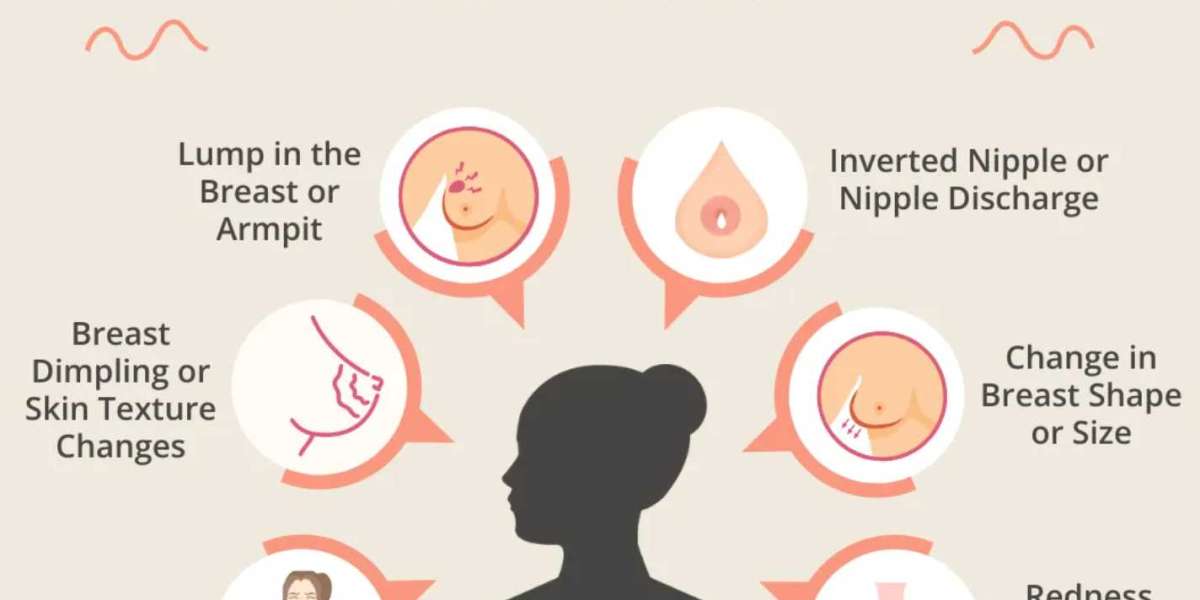
Anyone who notices a new breast lump, nipple change, unusual discharge, skin dimpling or other persistent change in the breast should consult a healthcare provider as soon as possible regardless of their age or when they last had a mammogram. Screening is for people who have no symptoms and is not a substitute for diagnostic evaluation. If you have had breast cancer yourself, or are at increased risk because of your genes, you may need an individualised monitoring plan.
Judith Lucy - Breast Cancer v Care Alternatives
Regarding breast cancer care, the comparison is between treatments supported by clinical evidence, not between products sold under a celebrity’s name. There are different medical reasons for lumpectomy, mastectomy, and other techniques. If breast-conserving surgery is done, it is often followed up with radiotherapy. Sometimes the size or location of the cancer, or other factors, mean that breast conservation is not appropriate, and mastectomy may be advised.
In selected patients, breast-conserving surgery can result in equivalent cancer outcomes as mastectomy in appropriate clinical settings. A mastectomy lowers the chances that the cancer will come back in the treated breast, but it does not remove all chance of recurrence or promise a cure. Some patients may also wish to pursue breast reconstruction, but some patients do not want reconstruction. “The right choice is a considered personal choice and clinical evidence.
Complementary methods including relaxation exercises, counselling, gentle physical activity and nutritional support can help some patients to deal with stress or treatment-related difficulties. However, these are not measures to substitute for cancer treatment. There’s no definitive evidence to suggest a wellness programme, dietary supplement or topical cream can reduce the risk of breast cancer. Lucy’s experience is not evidence for or against any unproven treatment.
Judith Lucy Breast Cancer AU Where to Look
There is no specific product called Judith Lucy Breast Cancer available for purchase in Australia. Readers can see her public announcement on social media, and established Australian news organisations for information on her diagnosis. BreastScreen Australia provides information about screening and access to the state and territory programmes of publicly funded screening programmes.
BreastScreen Australia recommends that Australians concerned about their breast health discuss concerns with a GP, contact their local BreastScreen service or pursue specialist assessment when symptoms or personal risk factors are present. As a rule, those who are eligible can be screened for free in the public system, but any further diagnostic tests and treatment arrangements may be dependent on the service, clinical situation and health coverage .
Judith Lucy Breast Cancer Frequently Asked Questions
What is Judith Lucy’s current age?
Judith Lucy is 58 years old in October 2026. The Australian comedian and actor shared her breast cancer diagnosis in a video posted on social media. She has worked for decades in television. Her announcement has attracted attention for her established entertainment career and as it is fueling debate around mammograms and breast cancer awareness in Australia.
Where is Judith Lucy today?
As of October 2026, Judith Lucy is still a public figure in Australia and has even released updates about her breast cancer diagnosis on social media. She said she was going to get a double mastectomy after more cancerous tissue was discovered during medical assessment. Her exact location, her activities during the day, and details of her eventual recovery have not been fully disclosed. So it is more accurate to discuss her publicly reported health situation than draw conclusions about her whereabouts.
Whatever happened to Judith Lucy .
Judith Lucy revealed on 6 October 2026 she had been diagnosed with breast cancer after an irregular mammogram prompted further investigations. She had a lumpectomy at first, but more cancer was found, and her treatment plan was changed. She said she would have a double mastectomy, and described the cancer as detected at a relatively early stage and less aggressive. Her announcement also acted as a reminder to stay current with mammogram screening.
Judith Lucy as a public figure?
Judith Lucy is an Australian comedian, actor, author and radio and television personality, known for her honest commentary of everyday life. She has been active in stand-up for many decades and has been on television shows like Judith Lucy Is All Woman. She said in 2022 that she would be reducing her involvement from stand-up on a regular basis. She also hit the headlines in October 2026 for bringing out a book about wellness and for publicly sharing her breast cancer diagnosis.
Judith Lucy has "triple-negative form of breast cancer".
Lucy has publicly portrayed her cancer as at a relatively early stage and relatively less aggressive. However, those descriptions do not give the exact tumour subtype, hormone-receptor status, HER2 status or overall clinical stage. Such details can shape treatment decisions and prognosis. It would be inappropriate to guess about the exact type of breast cancer Lucy has, or what additional treatment she may need, unless Lucy or her medical team publish further information.
Is Judith Lucy having a double mastectomy?
Yes. During the testing and treatment process further cancer was identified, and she planned to have a double mastectomy,' she said in her announcement in October 2026. Double mastectomy is the removal of both breasts by surgery. The decision is specific to the patient and is made according to medical advice and individual circumstances. It is not required for every breast cancer patient and other people may be eligible for breast-conserving surgery or different treatment regimens.
Did Judith Lucy discover her breast cancer from a mammogram?
Yes. Lucy said she was contacted by BreastScreen Australia about an unusual finding on a mammogram which led to further investigation and finally her diagnosis. Mammograms can detect breast changes before they can be felt. An abnormal result on a mammogram does not always mean cancer. Further imaging or a biopsy might be needed to establish a diagnosis. Her experience reinforces how important it is to act on screening results and get medical advice about any new breast symptoms.
Is it possible to overcome breast cancer if it is caught early?
Most women diagnosed with early-stage breast cancer are managed successfully and may be in extended remission or considered cured. However, outcomes depend on the type of cancer, its size, spread, biological features and response to treatment. Discovering a disease early may increase the range of treatment options, but it does not ensure a specific result for an individual. While it is encouraging context that Lucy had been diagnosed at a relatively early stage, there is not enough information to determine her prognosis or future medical needs.
Judith Lucy – The Bottom Line on Breast Cancer
The Judith Lucy breast cancer story is an developing Australian health news story with a public figure speaking openly about an unexpected diagnosis. Her announcement reports a mammogram that prompted more tests, the finding of more cancer and the choice to proceed with a double mastectomy. The publicly available details are valuable background, but don't tell the full medical story and don't indicate her ultimate outcome.
The broader lesson is the role of informed screening, early evaluation of abnormal findings and individualised treatment decisions. Australian readers are reminded that mammograms have potential benefits and limitations and breast cancer care is based on expert medical review, not celebrity experience or unproven wellness claims. Lucy’s story has launched a conversation about early detection, but screening and treatment should be individualised based on each person’s medical circumstances.