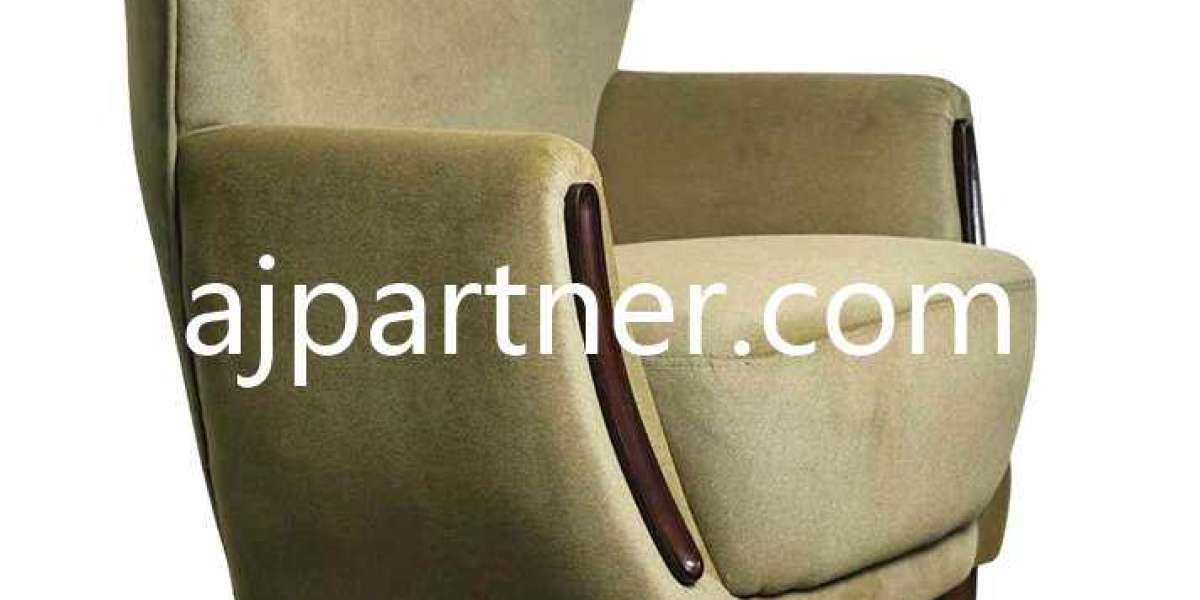

Customization becomes especially valuable when Custom 1 Seater Sofa Bed development needs to connect furniture function with a specific interior concept. A single-seat convertible piece can serve as seating during everyday use and provide an additional resting function when needed, while its materials and appearance can be coordinated with the surrounding furniture. For buyers working with Anji Partner Furniture Co., Ltd., customization can also provide a way to develop a product around a particular market or collection rather than adapting an existing model after production.
Material selection should begin with the intended experience. Upholstery is one of the most visible elements, so its texture, color, softness, and visual character can strongly influence the furniture. Bouclé can create a soft and contemporary atmosphere, velvet can introduce a richer decorative impression, while linen-look fabrics can support a more relaxed interior direction. PU leather can offer a cleaner and more structured surface for projects with a different visual language.
The frame provides another important layer of customization. Wood can bring warmth and a familiar furniture character, while the structure can be organized around the requirements of the convertible function. Buyers should consider how the frame supports the seating position and how its components interact when the furniture changes configuration. The best material combination is one that supports both appearance and practical use.
Cushion construction also deserves attention during product development. Seating comfort depends on the relationship between the cushion, frame, back support, upholstery, and overall shape. A convertible design introduces another consideration because the supporting surfaces may serve different purposes depending on the furniture position. Buyers can therefore evaluate comfort as part of the complete structure instead of choosing upholstery or filling in isolation.
The selection process should start with the intended space. A custom single-seat sofa bed might be developed for a compact apartment, guest area, reading corner, home office, hotel room, lounge, or multipurpose interior. Each environment creates different expectations for appearance and use. Understanding how the furniture will fit into the room can help determine the appropriate visual weight, surface treatment, and functional arrangement.
Customization can also respond to different customer groups. A residential collection may prioritize warmth and flexibility, while hospitality furniture may need a more refined and coordinated appearance. Retailers may prefer a design that can be offered in several upholstery styles, allowing the same basic concept to reach different interior preferences.
Function and technology are expressed through the conversion structure. Hinges, folding sections, support components, and connecting elements need to work together in a logical sequence. Smooth movement depends not only on the individual hardware but also on how accurately the complete structure is assembled. Manufacturing consistency therefore becomes an important part of the functional experience.
A well-developed conversion system should feel natural to the user. People should be able to understand how the furniture changes position without unnecessary steps. Cushions and moving sections should remain visually organized, while the transition between seating and resting positions should feel like part of the furniture's design rather than a separate mechanical operation.
User experience also includes what happens between conversions. Most of the time, the furniture may be used as a chair, which means its everyday comfort and appearance remain important. The backrest, arm support, cushion shape, and upholstery should create an inviting seating experience even when the sleeping function is not being used.
Maintenance should be considered during customization as well. Different fabrics and surface materials require different care approaches, while moving components may need occasional inspection. Buyers can discuss cleaning expectations, accessibility, and routine maintenance with the manufacturer before finalizing a design. This can help prevent a visually attractive concept from becoming inconvenient during everyday use.
The visual identity of customized furniture can extend beyond the sofa itself. Upholstery can be matched with other seating products, while leg finishes, stitching details, and frame treatments can connect the piece with a broader collection. This is particularly useful for brands that want different furniture categories to share a recognizable design language.
Color selection provides another opportunity for differentiation. Neutral upholstery can create a versatile foundation, while stronger shades can make a single-seat sofa bed an accent feature. Texture can further influence the atmosphere, allowing the same structural concept to appear casual, elegant, warm, or contemporary.
The base and exposed structural elements can also be adapted to support the desired appearance. Natural-looking wood finishes may complement warm interiors, while darker finishes can create stronger contrast. A visually lighter base can make a compact piece feel more open, while a more substantial base can give it a grounded character.
For buyers developing a private-label collection, customization can involve more than material selection. Product styling, upholstery combinations, frame finishes, branding details, packaging, and coordination with related seating can all become part of the development process. Anji Partner Furniture Co., Ltd. supports OEM and ODM furniture development, making this approach relevant for retailers, designers, hospitality buyers, and furniture brands seeking differentiated products.
Communication is particularly important when a product moves from concept to production. Buyers can provide reference images, material preferences, design drawings, or existing furniture samples to help communicate the intended direction. Clear discussion about appearance, function, user expectations, and surrounding products can make the development process more efficient.
For a customized single-seat sofa bed, material selection, structural organization, conversion experience, comfort, maintenance, and visual identity all need to work together. These factors can help buyers develop a piece that fits a particular room or furniture collection while giving manufacturers a clearer understanding of the intended product direction. More information about Anji Partner Furniture Co., Ltd., its sofa and seating products, and customized furniture services is available at https://www.ajpartner.com/.