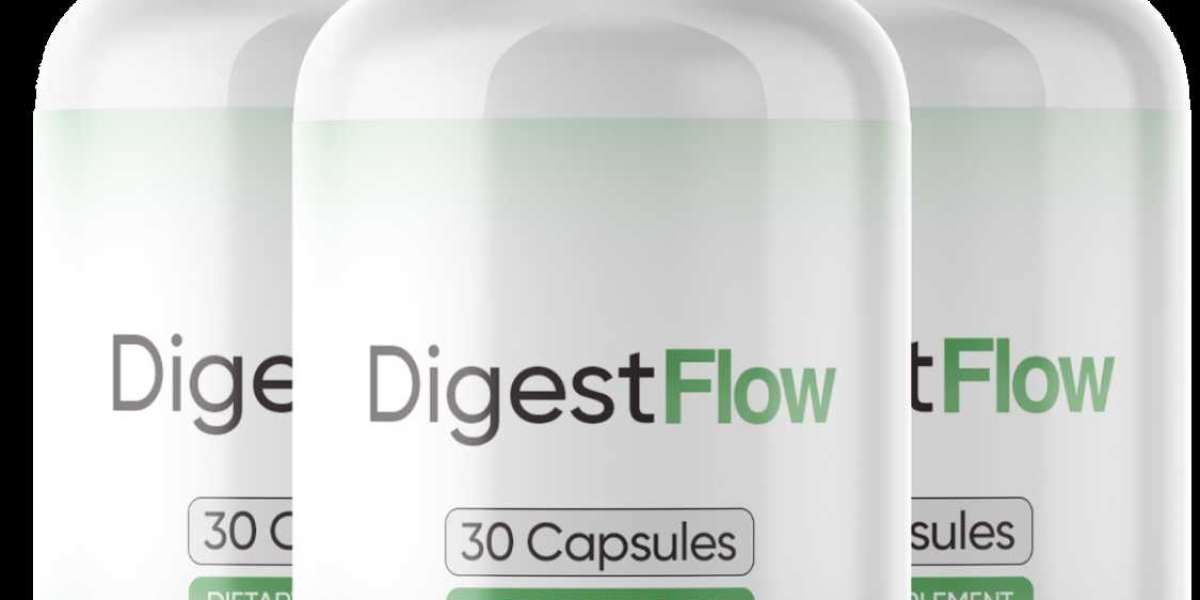

U.S. consumers are more frequently choosing digestive supplements to reduce digestive swelling, inconsistent digestion, discomfort after eating and broader gastrointestinal wellness. However, products marketed for digestion can use very different approaches, including digestive enzymes, probiotics, fibre compounds, botanical extracts, minerals and stimulant compounds. So knowing the actual formula is more useful than knowing the general category name.
DigestFlow is positioned as a daily wellness supplement for digestive health. Current product information names green coffee bean extract, raspberry ketone, garcinia extract, caffeine anhydrous, green tea extract, with one capsule taken daily. Notably, the Supplement Facts published information contains no listed digestive enzymes, probiotics or fibre.
This guide reviews what DigestFlow contains, how its ingredients could have relevance to digestion, potential benefits and limitations of the supplement, possible adverse effects, alternatives to the supplement, US availability, and the most common questions people ask about digestive enzyme supplements.
What does DigestFlow
DigestFlow is described as a daily digestive health dietary supplement. Now on the product page it indicates that you get 30 servings per bottle, that the capsule is vegetarian and non-gmo, and that you should take one capsule a day with water, ideally alongside a meal. The manufacturer states that the product is produced in the United States in a GMP certified facility.
The label's Supplement Facts panel shows five active ingredients: green coffee bean extract, raspberry ketone, garcinia extract, caffeine anhydrous and green tea extract all at 130 mg, except for caffeine anhydrous at 138 mg. Capsule material: Hypromellose. The green coffee and garcinia extracts are labelled as uniformly standardized, whereas the green tea extract is listed by its content of polyphenols, catechins, EGCG and caffeine.
The significance of this composition is that a shopper might assume, due to the name DigestFlow, that the product is a standard digestive enzyme or probiotic formula. Neither, the currently published label says. The label lists no protease, lipase, amylase, probiotic strain, CFU count or added fibre.
How might DigestFlow designed to work?
DigestFlow’s suggested approach is distinct from an enzyme product that provides enzymes that are supposed to process food components. Instead it combines a formula that blends botanical extracts and caffeine. Caffeine can change the gastrointestinal activity in some individuals, however, this does not mean that a supplement containing caffeine resolves an underlying digestive disorder.
Green coffee bean and green tea extracts are natural botanical compounds, garcinia contains hydroxycitric acid and raspberry ketone is an added botanical-derived ingredient. The presence of these compounds does not show that the finished DigestFlow formula has been clinically proven to promote digestive health. Evidence for one ingredient cannot automatically be generalised for the whole product.
The caffeine level is particularly worth noting. The label says 138 mg caffeine anhydrous per capsule and includes green coffee and green tea additions which may have variable amounts of caffeine. If you already consume coffee, tea, energy drinks, or other caffeinated products, your daily total might be higher than anticipated.
Potential Benefits of DigestFlow
The primary potential benefit of DigestFlow is ease of use. The once-daily capsule could be easier for some adults to add to a routine than products that require multiple doses around individual meals. The product is not intended to diagnose, treat, cure or prevent any diagnosed gastrointestinal disease. This is important because dietary supplements are not evaluated by the FDA for efficacy before they are marketed, as drugs are.
The herbal composition may also be noteworthy to some consumers. Green tea, green coffee, garcinia and raspberry ketone have all become ingredients in dietary supplements for various general health benefits. However, evidence about the effects of an individual ingredient does not confirm that DigestFlow will result in a particular digestive result. You can also get quite a variety of responses.
Another possible benefit is greater label clarity. The published panel specifies a separate amount for each of the 5 active ingredients instead of putting all 5 ingredients into a single unlisted proprietary blend. This makes it clearer to see what is being taken, and to talk about the ingredients with a pharmacist or healthcare professional. The limitation is that the dose alone does not prove that the combination is effective for a particular digestive complaint.
DigestFlow is therefore best considered a general wellness supplement rather than a specific digestive enzyme replacement. Those who have persistent bloating, diarrhoea, greasy stools, abdominal pain, unexplained weight loss or other recurrent symptoms shouldn’t believe a supplement is treating the root cause. Sometimes, these symptoms may be a sign of a medical condition that should be assessed.
Potential Reactions and Risks of DigestFlow
The most obvious thing to consider with DigestFlow is the caffeine content. One capsule provides 138 mg of anhydrous caffeine and may contain caffeine from other ingredients. Depending on individual sensitivity and total intake, caffeine can also contribute to effects such as jitteriness, difficulty sleeping, a faster heartbeat, or stomach discomfort. Those who are affected by caffeine should be aware of their total daily intake, not just the capsule alone.
Botanical ingredients may also lead to adverse effects or interact with drugs in some instances. Just because a supplement is plant-based or “natural” doesn’t mean it’s suitable for everyone. The FDA warns consumers to go over dietary supplements with a doctor, pharmacist or other health care professional because they can interact with medicines or other supplements.
Special caution should be used in treating symptoms with supplements in pregnant and lactating women, those under age 18, and adults with a digestive condition. DigestFlow’s own product information recommends medical consultation in these instances and says severe, persistent, painful symptoms or those that include weight loss or bleeding warrant professional evaluation.
Who is this for DigestFlow?
DigestFlow is not a prescription remedy, but a general digestive health supplement for adults. If you are thinking about trying it, the first step is to look at the Supplement Facts panel and see if the caffeine and botanical ingredients will align with your current diet, medications and health circumstances.
If you’re specifically looking for a digestive enzyme supplement, then it may not be the best choice because the published DigestFlow formula doesn’t contain enzymes like lactase, lipase, amylase, or protease. Similarly, someone who is specifically interested in probiotics will need to consider a product that lists specific bacterial strains and amounts, which they are not specified in the DigestFlow formula.
Before supplementation, consider diagnosis in individuals with persistent and unexplained or persistent digestive symptoms. For example, exocrine pancreatic insufficiency can cause bloating, abdominal pain, diarrhoea, excessive flatus, greasy stools and weight loss, and has specific medical causes and treatments. A general wellness capsule should never be used instead of seeking evaluation for those symptoms.
DigestFlow vs. Alternative Products
DigestFlow is not like digestive enzyme supplements as published formulas do not include enzymes to process proteins, fats, carbohydrates or lactose. Enzyme products are more directed to digestive needs related to enzymes. But the usefulness is influenced by the particular enzyme, the dose and the reason it is being taken.
Another approach is supplements containing probiotics, which contain live bacteria. Some gastrointestinal conditions may be supported, but the effects are strain-specific and researchers are not yet sure which probiotics, doses and populations will benefit in each situation.
Fibre supplements are also an option for those who want to increase their dietary fibre intake or promote bowel regularity. Food-based strategies, adequate hydration, regular physical activity, and a generally balanced diet can also be relevant for digestive health. The right choice depends on the goal you are trying to achieve, because a product designed for general wellness is not interchangeable with treatment for a diagnosed digestive disorder.
Where to Purchase DigestFlow in USA
DigestFlow is sold to U.S. consumers via its online sales channel, according to current product information. The product page currently offers packages of 2, 3 and 6 bottles, and the price per bottle shown is different depending on the package for each package; the six bottle package is listed at $49 per bottle. Prices, shipping and guaranties are subject to change, so review the current terms before making a purchase.
US shoppers should also review the actual Supplement Facts panel and seller info rather than basing decisions on third-party descriptions. Generally, the FDA does not approve dietary supplements for safety and effectiveness before they are marketed. This makes label review and professional advice particularly useful when evaluating a supplement.
DigestFlow – Common Questions
Are there potential drawbacks to taking digestive enzymes?
Yes. Some users may experience digestive enzyme side effects such as gastrointestinal discomfort. They are not well-suited to everyone. More importantly, taking enzymes without knowing why the symptoms are occurring can put off an evaluation of an underlying problem. DigestFlow is not an enzyme supplement, the currently published formula contains botanical extracts and caffeine, not digestive enzymes.
What is the best digestive enzyme supplement?
There is no one digestive enzyme supplement that suits every person. I.e . lactase for lactose digestion or pancreatic enzyme replacement for medically diagnosed pancreatic insufficiency . The relevant enzyme varies with the problem . Product quality, dose, ingredients and reason for use all deserve consideration. DigestFlow should not be classified as an enzyme supplement, as the published label does not list any digestive enzymes.
What symptoms suggest you need digestive enzymes?
Digestive symptoms alone are not proof that someone needs an enzyme supplement. Problems with digesting or absorbing nutrients, like exocrine pancreatic insufficiency, may cause persistent bloating, diarrhoea, gas, abdominal pain, greasy or foul-smelling stool, and weight loss without a clear cause. The symptoms call for a medical evaluation, not an automatic start of an over-the-counter enzyme product.
Are digestive supplements effective?
Some digestive supplements may assist with some symptoms or conditions, but the outcome is strongly influenced by the ingredient, dose, person and reason for use. Evidence strength is not uniform across products, and research on probiotics, for instance, shows that benefits may differ depending on the strain and condition. Hence, it should be considered in relation to the specific health goal and not with the assumption that it will improve the digestion in general.
Does DigestFlow contain digestive enzymes?
The published DigestFlow Supplement Facts panel does not include a list of digestive enzymes. Active ingredients: Green coffee bean extract, raspberry ketone, garcinia extract, caffeine anhydrous, green tea extract. There is no mention of a fibre ingredient or probiotic strain either. This is what distinguishes DigestFlow apart from traditional enzyme or probiotic formulas.
Does DigestFlow feature caffeine?
Yes. The label specifies 138 mg of caffeine anhydrous per capsule. Total caffeine exposure may also be affected by the finished formulation and other consumer sources as green coffee bean extract and green tea extract may also contain caffeine. If you’re trying to decrease caffeine, also remember to consider coffee, tea, energy drinks, medications and other supplements when adding up your daily intake.
Is DigestFlow FDA approved?
DigestFlow is sold as a dietary supplement and is not an FDA approved drug. Generally, the FDA does not approve dietary supplements for safety and effectiveness before they are marketed in the United States. Manufacturers and distributors remain subject to compliance with applicable safety, labelling and marketing requirements. The FDA’s approval of a manufacturing or registration statement should not be viewed as an endorsement by the FDA of the effectiveness of a supplement.
Is DigestFlow a replacement for healthy diet?
No. A digestive wellness supplement should not take the place of a well-rounded diet, adequate fluid intake, regular physical activity, and proper medical care. Supplements are meant to augment the diet and not to substitute for normal foods. If you have persistent digestive symptoms, it may be more helpful to look for dietary triggers or an underlying condition, rather than only relying on supplementation.
DigestFlow: Final Assessment
DigestFlow is a daily health formula now listed in a published formula of five active ingredients (including botanical compounds and 138 mg of caffeine anhydrous). Its label specifies individual ingredient amounts but does not contain digestive enzymes, probiotics or fibre. That difference is important for consumers that are specifically looking for an enzyme or probiotic product.
In general, DigestFlow should be described as a digestive wellness supplement, not a treatment for a digestive disease or a substitute for a medically indicated enzyme therapy. Before you take it, review how much caffeine it contains, your personal health conditions, any medications you are taking that might interact with it, and why you are taking the supplement. If you have persistent, severe, or unexplained digestive symptoms, it’s recommended to seek a professional medical evaluation rather than use a supplement alone.