
Cholesterol in the blood is essential for proper body function, but elevated LDL cholesterol and other altered blood lipids may increase the risk for cardiovascular disease. When researching Lipids [01] Cholesterol Solution it is helpful to examine what the product contains, what the ingredients are claimed to do and how a formula fits into the wider picture of cholesterol management.
This guide looks at Lipids [01] Cholesterol Solution along with established approaches such as changes in diet, exercise and prescribed lipid-lowering medications. It also addresses common questions about high lipid levels, fast cholesterol reduction and vitamin B12, but stresses that individual treatment decisions are based on lab results and overall cardiovascular risk.
Lipids [01] What does a cholesterol solution do?
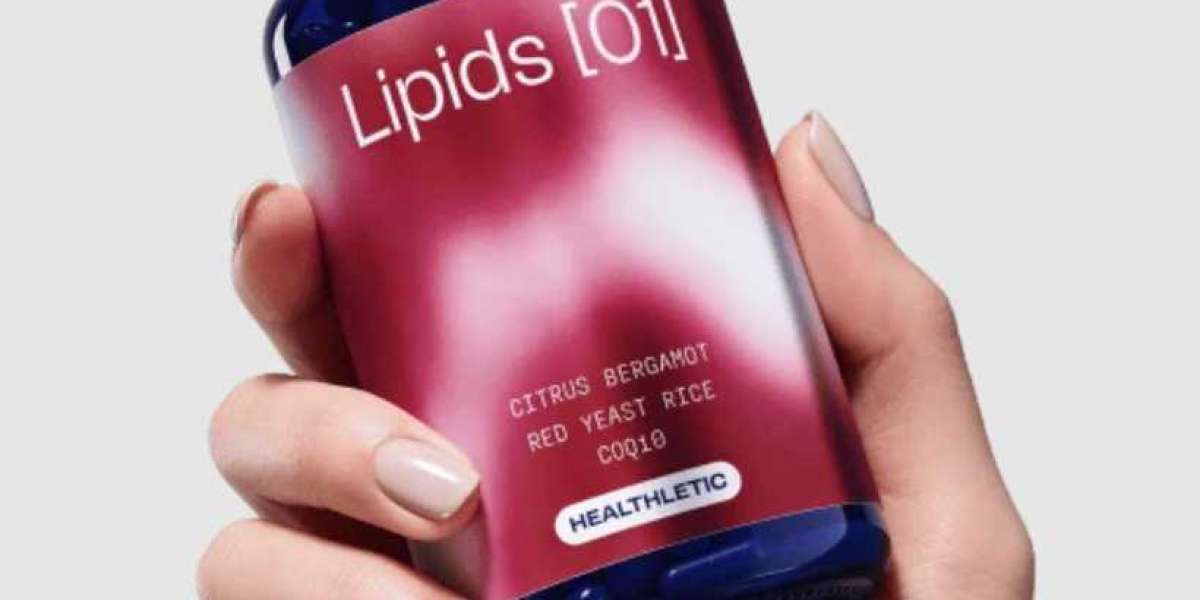
Lipids [01] Cholesterol Solution is a supplementary formula marketed to support cholesterol. The manufacturer's current product information states that the main ingredients are citrus bergamot extract, red yeast rice (which contains monacolin K), CoQ10 in the ubiquinol form and vitamin K2. The formulation is designed around multiple aspects of cholesterol and cardiovascular health rather than cholesterol alone.
It is necessary to distinguish between a supplement and a prescription cholesterol medication. According to the American Heart Association’s 2026 guidance, dietary supplements are not an alternative to clinically indicated lipid-lowering treatment and dietary supplements are not recommended as a general strategy for cholesterol management. If people are taking supplements, they should seek advice from a healthcare professional about them, as ingredients can influence medications.
Red yeast rice is of particular concern because monacolin K is chemically identical to the drug lovastatin, a statin. This may consequently cause a product containing monacolin K to show effects resembling statins and side effects. The amount and potency of monacolin K may also differ among red yeast rice products making product-specific evaluation necessary.
What is the way Lipids [01] Cholesterol Solution Function?
Cholesterol Solution Lipids [01] The proposed mechanism of Cholesterol Solution comes from the specific components, not the product name itself. Citrus bergamot has been evaluated for its possible effects on lipid metabolism. Red yeast rice containing monacolin K may reduce cholesterol synthesis in the liver. CoQ10 is associated with the production of energy in cells, but taking CoQ10 does not confirm that a person will be protected from adverse effects of statins.
Vitamin K2 has diverse biologic roles and should not be considered a direct LDL lowering ingredient. So the formulation of the product does incorporate a number of possible modes of action, but the presence of a studied ingredient is not evidence that the entire commercial formulation will cause a specific reduction in LDL cholesterol.
In the presence of increased cholesterol, the appropriate response depends on the actual lipid profile and cardiovascular risk. Clinical guidance today takes into account LDL cholesterol, non-HDL cholesterol, triglycerides, and in some cases markers such as lipoprotein(a) and apolipoprotein B in assessing appropriate management.
Lipids [01] Possible Advantages of Cholesterol Solution
The Lipids [01] Cholesterol Solution has the feature of having some of its ingredients investigated for their effects on lipid metabolism. Red yeast rice with effective monacolin K has been observed to decrease LDL cholesterol and research on citrus bergamot has examined possible effects on LDL and other lipids. However, evidence for individual ingredients should not be viewed as evidence that all commercial formulations will produce identical results.
The product could also be potentially useful for those seeking a prescription-free option for cholesterol support. It can be a reasonable point to discuss with a healthcare professional, particularly if someone is changing their diet and lifestyle. Yet this type of formula is never a substitute for evidence-based treatment, when a person’s cardiovascular risk or cholesterol levels call for medication.
Managing cholesterol itself can be a substantial long-term benefit. Lowering elevated LDL cholesterol decreases exposure to atherogenic lipoproteins and is a key element in prevention of cardiovascular disease. The 2026 American Heart Association guideline underscores the value of treatment based on risk over a single cholesterol number.
There are also some considerations to keep in mind. The American Heart Association doesn't generally support dietary supplements as a way to manage cholesterol, and supplements can affect prescription medicines. Monacolin K is also the factor red yeast rice products can cause side effects resembling statins, so “natural” doesn’t always mean safe.
Lipids[01] Cholesterol Solution Safety Issues and Adverse Effects
The key safety concern is the red yeast rice ingredient. Monacolin K has the potential to influence bodily processes in a comparable way to lovastatin. Therefore possible problems include muscular symptoms, liver-associated side effects and drug interactions. People taking cholesterol medication or other medications that interact with statin-like compounds should speak with a health professional before using such a product.
There can also be individual differences in tolerance at the individual level. If you notice unexplained muscle pain or weakness, unusual fatigue, dark urine, or other worrisome symptoms while taking a product containing monacolin K, you should see a health care professional instead of concluding the symptoms are unrelated. Cholesterol-lowering supplements may also need special caution if you are pregnant or nursing, or have liver disease or take certain combinations of medication.
CoQ10 and vitamin K2 come with their own precautions. Vitamin K can alter the effects of anticoagulant treatment like warfarin and the quality of supplements, dosage and consistency of ingredients can differ between formulations. These limitations underscore the importance of evaluating Lipids [01] Cholesterol Solution in the light of a complete account of medication and supplement use, not considering it is a safe substitute for prescription treatment.
[01] Who May Use Lipids Cholesterol Solution?
[01] Cholesterol Solution Lipids are not universally appropriate for any one group. If you are considering its use, you should first review your lipid results, including your LDL cholesterol, your HDL cholesterol and your triglycerides, and whether you have any other cardiovascular risk factors. Family history, diabetes, kidney disease, smoking, blood pressure, and prior cardiovascular disease may influence treatment choices.
For those with extremely high LDL cholesterol, familial hypercholesterolemia, established cardiovascular disease, or other major risk factors, it may be necessary to discuss evidence-based prescription therapy rather than supplement use. Current US guidance recommends individualised assessment and may include measures such as lipoprotein(a), apolipoprotein B or coronary artery calcium scoring in appropriate adults.
If you are currently taking a statin or other lipid-lowering medication, do not substitute, add, or cease treatment on your own because of a supplement. This is especially true for Lipids [01] Cholesterol Solution due to its red yeast rice ingredient that may have statin-like effects. A health care professional can inform you if this combination is appropriate for you and if blood tests are needed to monitor for side effects.
Lipids [01] Cholesterol Solutions and Alternatives
Lifestyle measures remain an important basis for cholesterol management. The heart-healthy eating pattern generally includes vegetables, fruits, whole grains, healthy sources of protein and unsaturated fats, while limiting saturated and trans fats. Regular physical activity may also contribute to healthier lipid levels and cardiovascular health overall.
Another type of treatment consists of prescription options. Statins are still a widely used option of LDL-lowering, as they inhibit cholesterol synthesis in the liver. Depending on individual circumstances, clinicians may also use medicines such as ezetimibe, PCSK9-targeting therapies, bempedoic acid, or other lipid-lowering therapies. These options are different than supplements in terms of regulation, evidence base, indications and monitoring requirements.
Lipids [01] Cholesterol Solution is, therefore, not a prescription therapy. While the ingredients may have biological activity relevant to cholesterol, the entire product cannot be expected to provide the same predictable LDL reduction or cardiovascular outcome evidence as established drugs. The suitable comparison depends on an individual’s lipid levels, cardiovascular risk, treatment goals and tolerance of the therapies available.
Where to Find Lipids [01] Cholesterol Solution in HUS
For HUS readers in the United States, availability of Lipids [01] Cholesterol Solution may rely on the manufacturer’s online distribution and current shipping policies. Supplement formulations and purchasing options may differ over time. Always check product information carefully for exact quantities of ingredients, serving size, warnings, return policies and current availability.
Consumers should also be able to tell apart claims made by manufacturers and clinical evidence established independently. An online supplement is not subject to the same premarket approval process as a prescription cholesterol medicine. You can look at the Supplement Facts panel for possible interactions or contraindications and talk with a qualified healthcare professional about the ingredients.
Lipids FAQ [01] Cholesterol Solution
What is the right approach for cholesterol?
There is no universal solution for everyone with high cholesterol. Management is usually begun with a full lipid profile and assessment of cardiovascular risk, then lifestyle adjustments and medication if indicated. Statins are the most frequently prescribed drugs to lower LDL, but other drugs may be appropriate in certain circumstances. Lipids [01] Cholesterol Solution is a supplement and is not intended to serve as a replacement for therapy when clinically indicated.
What does having high lipid levels mean for my health?
High lipid levels mean that one or more of the fats or lipoproteins measured in your blood are above the desired level that is desired for you. This may involve increased LDL cholesterol, non-HDL cholesterol or triglycerides, and HDL may also be factored in. High levels of atherogenic lipoproteins, particularly over time, can contribute to plaque deposits in arteries. The importance depends on the values and the overall cardiovascular risk of the person.
How do I decrease my cholesterol in 7 days?
Certain diet and lifestyle changes can begin to influence cholesterol fairly rapidly, but a major, dependable drop in LDL generally shouldn’t be anticipated in a mere 7 days. Cholesterol responses rely on individual, diet, genetics and treatment. Long-term monitoring is usually required for sustainable changes such as reduction of saturated fat, increased physical activity, and an appropriate treatment plan. Repeat testing can help establish whether an intervention is making a meaningful difference.
Vitamin B12 can decrease cholesterol.
Vitamin B12 is needed for normal nerve function and red blood cell production, but is not a established cholesterol-lowering treatment. It's important to address a B12 deficiency if one is present, but taking B12 only to lower LDL cholesterol is not supported as a standard approach to lipid management. Lipids [01] The cholesterol solution contains vitamin K2 and not vitamin B12, so the two nutrients should not be mistaken for one another.
Final Review on Lipids [01] Cholesterol Solution
Lipids [01] Cholesterol Solution includes ingredients with studied effects on cholesterol metabolism, such as citrus bergamot and red yeast rice with monacolin K. But ingredient level research does not confirm that all commercial formulations will provide a specific cholesterol lowering. The presence of monacolin K means the product can have considerations similar to statins.
For those with high cholesterol, the proper management plan is guided by measured lipid levels, cardiovascular risk, lifestyle factors, preexisting medical conditions and current medications. Lipids [01] Cholesterol Solution can be examined in that context, but should not be treated as a replacement for evidence-based cholesterol treatment where such treatment is indicated.