
An Introduction
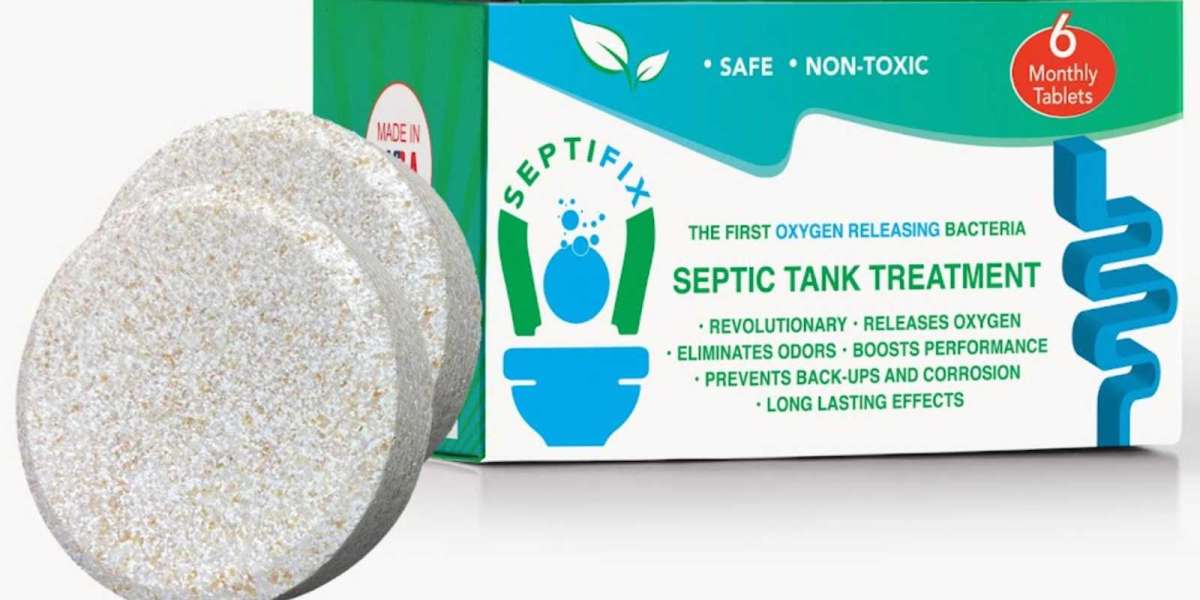
Septifix is a ready-to-use septic tank care formula sold for regular upkeep of septic systems. The product is intended to help decompose organic waste in a septic tank and is based on natural microbial action and an oxygen-producing formulation. Its primary focus is on households with ordinary residential septic arrangements.
Septic additives can be unclear because a well-maintained septic system already has resident microorganisms that digest organic material. This means that an additive is not a necessity for routine operation. In this article, we review what Septifix is, the supposed mechanism of action, the advantages and drawbacks, possible safety issues, other options, and the evidence-based principles to know and consider when homeowners are considering septic treatments.
Whether a tablet can benefit a particular septic system depends on circumstances such as tank condition, household use, maintenance practices and the underlying cause of a problem. Therefore, a treatment tablet should be considered one possible system-care product, and not as a replacement for septic pumping, inspections, repairs or responsible wastewater management.
What the Treatment Involves
Septifix is a tablet-based septic treatment that is formulated for disposal through a toilet and eventually pass into the home septic system. The product information describes the tablets as containing aerobic microbial cultures and a component that releases oxygen. Its purpose is to encourage microbial decomposition of organic matter and support a reduction in unpleasant septic odours.
This is not the same as a chemical drain cleaner . The biological septic treatment uses microbial organisms to decompose organic matter rather than attempting to chemically dissolve material by a caustic chemical process. Therefore, Septifix is positioned as a regular treatment, not a hardware-based fix for a clogged pipe, damaged drain field, excess sludge buildup or structural septic problem.
Homeowners in the US need to learn the difference between septic treatment and the septic system itself. A common residential septic system incorporates a tank, plumbing for the inlet and outlet, an effluent-management component, and a drain field or other authorised dispersal system. The tablet is not able to restore physical components or problems caused by unsuitable soil conditions, hydraulic overload, damaged pipes or poor system planning.
Mechanism of Action
The suggested mechanism of Septifix is to pair aerobic bacteria with an formulation that releases oxygen. Aerobic microorganisms decompose certain organic substances by oxygen-dependent processes. Principally, suitable biological conditions can encourage the microbial activity involved in the processing of biodegradable waste in a septic environment.
Septic tanks already contain microorganisms as the wastewater that flows into them naturally contains bacteria and other biological organisms. Thus the proposed function of an added bacterial product is to support or influence the microbial population, not create microbial activity from the beginning. The practical effect can vary significantly with temperature, composition of the wastewater, availability of oxygen, existing microbial populations and current state of the tank.
The oxygen part is to maintain the environment more favourable for biological processes involving oxygen. But a septic tank is built by nature for settling, anaerobic digestion, and controlled movement of effluent. Adding an oxygen-releasing tablet does not transform an entire septic system into an aerobic treatment plant and homeowners should not count on a tablet to have a significant effect on the underlying biology of the system.
Possible Advantages
One of the key reasons that homeowners consider Septifix is to help control odour. Gases produced by the digestion of organic material are linked to septic odours. In some cases, a treatment that alters microbial activity may help minimise some odours. But plumbing traps, ventilation problems, tank problems, or drain-field conditions can also lead to odour problems. Thus, persistent odour should not be automatically blamed on insufficient septic bacteria.
Another potential positive is aid for biological degradation of biodegradable waste. If the treatment microorganisms are alive and conditions are favourable, they may contribute to the breakdown of organic material. This is in keeping with the general theory behind biological septic additives, however, the presence of bacteria in a product does not, in itself, mean a measurable improvement in a household septic system.
The tablet form may also provide relatively easy routine application as opposed to products supplied as liquids or powders. The property owner does not have to portion out a liquid dose or handle loose bacterial powder. However, convenience is not the same as necessity. Whether or not an additive is used, regular septic tank pumping and good water use practices are still necessary.
Some users may also choose a biological formulation to harsh chemicals as it is created to work through microorganisms and not caustic solvents or corrosive compounds. However, environmental and safety characteristics depend on the overall formulation, directions and disposal conditions. Therefore, the product claims should be seen in isolation from the independently assessed performance in on-site residential septic systems.
Limitations Potential Risks
“The main limitation of Septifix and similar products is that a tablet can’t fix all septic problems. If your tank is full, outlet blocked, baffle broken, pipe broken, drain field saturated or soil absorption system not working, it may need to be examined and possibly handled by a professional. Trying to fix these conditions with an additive can interfere with the identification of the real problem.
There’s also a broader question of the value of routine septic additives. Many septic systems already have lots of microorganisms that can digest wastewater solids. Thus, some wastewater-management authorities do not consider routine additives to be essential for systems operating correctly. Also, there is not consistent evidence of measurable improvements from consumer septic additives across different products and systems.
Homeowners should study the product label and not assume more treatment equals greater benefits. Septic systems can be damaged by over-watering, antibacterial chemicals, solvents, oils, grease and non-biodegradable materials. A tablet does not remove the need for sensible household wastewater practices or routine tank inspection and pumping depending on the needs of the system.
Who It May Suit
Homeowners with typical household septic systems who would like a microorganism-based treatment in tablet form might want to explore Septifix. Those who experience occasional problems with septic odours might consider biological treatments as one potential element of their maintenance programme, as long as they understand that odour can have several contributing factors.
Septifix is less suitable to be used as a treatment for a recognised septic problem. Homeowners experiencing sewage backups, areas around the drain field that are wetter than normal, slow drainage within the home, and sewage odours throughout the property or surfacing wastewater above the drain field should explore the underlying problem instead of placing their trust in an additive alone.
People should also be familiar with the needs of their particular septic system and local regulations. Alternative systems, commercial wastewater systems, systems with specialised treatment components, and properties that are subject to local maintenance agreements may have separate requirements than a standard residential septic tank.
Further choices
The best alternative to a septic additive is scheduled system upkeep without an additive. This usually involves being mindful of water consumption, not putting the wrong things down the drains, monitoring the system's performance, and having the tank inspected and pumped when needed. These practices cover the aspects that are most important to lasting performance for many traditional systems.
Other septic aid products include bacteria-based powders, liquids, packets and enzyme based products. They vary in their formulation and claims and there is no one product that has been universally proven to be the best septic treatment for all households. Ingredient information, directions, intended use, independent evidence and compatibility with the particular septic system are more meaningful for comparison than a universal ranking.
Another important choice for a homeowner with a confirmed system problem is a professional inspection. A qualified septic professional can inspect the tank, plumbing, effluent flow and drain field to determine if the problem is solids accumulation, hydraulic loading, physical damage or some other cause. This kind of diagnosis cannot be provided instead by a biological pill.
Access to
Septifix has been sold to U.S. consumers via online retail outlets and product websites. Availability, package sizes, pricing and shipping arrangements are likely to vary over time and US consumers should verify current product information and labelling for availability.
Just because a consumer product is accessible doesn’t mean it’s suitable for every septic installation. Septic regulations and maintenance practices can be different between states and local jurisdictions. Homeowners should review their system’s specifications and any local requirements before using an additive.”
Questions People Often Ask
Does Septifix Work?
Septifix is developed to support decompose biological waste using bacteria and an oxygen-releasing formula. Whether this is a significant difference depends on the state and biology of the individual septic system. Since a working septic tank already has microorganisms, an additive cannot be guaranteed to create a noticeable difference. It also can’t address structural damage, a full tank, blocked plumbing or a failing drain field.
Septic Tank Additives: Do They Deliver Results?
Septic additives can have bacteria, enzymes or other substances meant to support decomposition, but they don't benefit every household. A functioning septic system contains naturally occurring microorganisms that digest organic material. For these reasons many homeowners are able to manage their systems without treatments. When an additive is mentioned, it should be viewed as a supplemental maintenance item, not a substitute for pumping, inspections, water conservation and proper system care.
Septic Treatment Options
There's not one septic tank treatment that's scientifically proven to be the best for every household. Septic systems can differ by design, age, loading, soil conditions, and maintenance history. One homeowner may find a product useful, while another sees little or no benefit. More basic to septic performance than choosing a particular additive are timely pumping, inspection, proper use of wastewater and timely repair in general.
What is the right septic therapy?
The right septic treatment product? It is based on what the homeowner is trying to achieve. Symptoms of system failure are more appropriately addressed through a professional inspection, but a biological tablet like Septifix is meant for routine care. Select products according to the type of septic system you have, label directions, ingredients, environmental considerations and research that supports the benefit being claimed. No consumer additive should be expected to replace professional maintenance or repairs that are required.
Closing remarks
Septifix is a septic treatment that is in tablet form and contains bacteria and an oxygen releasing formulation to encourage biological decomposition and odour control. Its approach is based on a valid biological concept, but the presence of microorganisms in a treatment does not guaranty a substantial improvement in every residential septic system.
For U.S. homeowners, the larger perspective counts. Septic Additives Supporting maintenance products can play a role, but are no replacement for proper pumping, inspection, responsible wastewater practices or repair. It’s more important to know the condition and design of the septic system than to assume any one treatment product will ultimately remedy a septic problem.