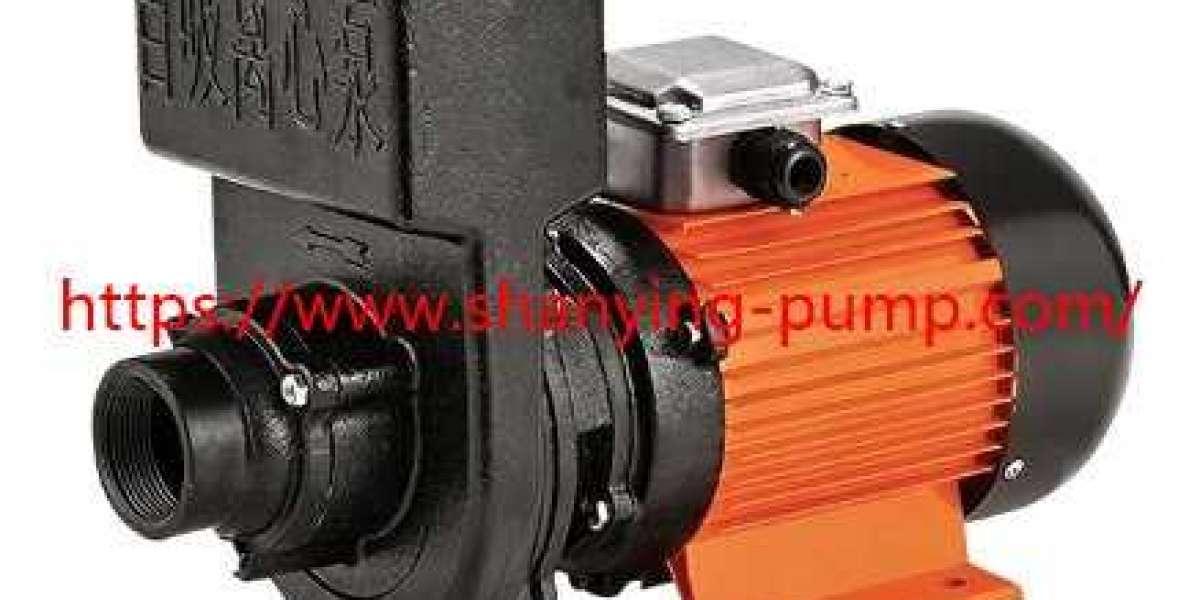

Wastewater management becomes more complicated when drainage systems receive liquids containing fibrous waste, flexible debris, and suspended solids. In these conditions, ordinary pumping equipment may encounter blockages that interrupt operation and increase maintenance requirements. A Submersible Cutter Pump addresses this challenge by combining liquid transfer with a cutting mechanism that helps process certain solid materials before they enter the discharge passage. Its effectiveness depends not only on the cutting assembly but also on material quality, structural coordination, installation conditions, and the characteristics of the wastewater being handled.
Material selection plays an important role in determining how well this equipment performs in demanding environments. The pump casing must provide structural protection while remaining suitable for continuous contact with wastewater. Stainless steel is a commonly considered option because of its resistance to corrosion and its practical value in wet working environments. It can also support a clean, durable external surface that is easier to inspect during routine maintenance. Other materials may be appropriate for different components, depending on their exposure to friction, impact, and chemical substances.
The cutting assembly requires particular attention because it directly interacts with incoming debris. Its working surfaces need to withstand repeated contact with fibrous and flexible materials. Wear-resistant metal components can help maintain cutting effectiveness, while the surrounding pump structure must support stable movement and protect internal parts. Buyers should therefore evaluate the material selection of the complete assembly rather than focusing exclusively on the casing. Compatibility between the cutter, impeller, shaft, and protective components contributes to dependable operation.
Choosing suitable equipment begins with understanding the actual wastewater conditions. Different drainage locations can contain very different types of waste. Residential wastewater may include fibers and everyday household debris, while commercial or industrial drainage can involve packaging fragments, textile waste, or other suspended materials. A buyer should identify the nature of the solids, the liquid characteristics, and the expected frequency of operation before comparing products.
The installation environment is equally important. A pump used in a fixed collection tank may have different requirements from equipment intended for temporary drainage or a wastewater treatment facility. Buyers should consider the available installation space, discharge pipeline arrangement, electrical connection, and accessibility for maintenance. It is also useful to discuss unusual liquid characteristics with the supplier, especially when wastewater contains substances that may affect material compatibility. A clear description of the working environment helps manufacturers recommend a more appropriate configuration.
The main functional distinction of cutter equipment lies in the coordination between its cutting mechanism and pumping system. As wastewater enters the intake area, the cutting components process suitable debris into smaller pieces. The resulting mixture can then move through the pump and discharge pipeline. This arrangement helps reduce the risk of obstruction caused by certain long or flexible materials that might otherwise become tangled around conventional pumping components.
However, cutting technology should not be understood as a solution for every type of solid waste. Hard objects, unsuitable materials, or debris outside the equipment's intended operating conditions may still cause damage or interruption. The cutter mechanism must be matched to the actual waste characteristics. In addition, the impeller and internal flow passages need to work together with the cutting assembly so that processed material can move through the equipment without unnecessary resistance.
Operational reliability also depends on how the motor, sealing arrangement, and hydraulic components are integrated. Effective sealing helps protect the motor from liquid entering sensitive internal areas. A coordinated internal structure supports stable operation while reducing the likelihood of avoidable mechanical problems. These details are particularly relevant in installations where the pump operates below the liquid surface and regular access is limited.
From the user's perspective, maintenance convenience is an important purchasing consideration. A well-considered design should allow technicians to inspect accessible components, check the condition of the cutting mechanism, and identify wear before it develops into a more serious problem. Routine inspection of the intake area, electrical cable, seals, and discharge connection can help users understand the equipment's condition. Maintenance arrangements should also follow the manufacturer's instructions and reflect the actual wastewater environment.
The external design influences installation and everyday handling as well. A compact and balanced pump structure can make positioning easier in collection tanks and drainage spaces. Practical lifting arrangements, accessible cable connections, and clearly organized discharge interfaces can simplify installation work. A protective exterior is also valuable when equipment is frequently handled during cleaning, inspection, or relocation. These design details may appear secondary, but they influence the overall experience of contractors and maintenance personnel.
Taizhou Shanying Pump Co., Ltd. offers submersible sewage pump products that include cutting-type options, such as its stainless steel cutting pump range. The company integrates product development, production, sales, and service, with its product portfolio covering different water transfer and drainage applications. When evaluating a suitable solution, buyers can discuss wastewater characteristics, installation conditions, material requirements, and maintenance expectations with the supplier. More information about its pump products and manufacturing services is available at https://www.shanying-pump.com/.